

Teaching theme can be one of those reading skills that sounds simple…until you actually try to explain it to elementary students.
Students often want to tell us the topic instead of the theme.
“What’s the theme?”
“Friendship!”
Well…you’re close. 😂
One of the best ways I’ve found to help students understand theme is through picture books and read-alouds. A great story gives students something concrete to discuss, and because picture books can usually be read in one sitting, they’re perfect for modeling how readers use characters, problems, important events, and lessons learned to determine a theme.
Whether you're introducing theme for the first time or looking for new books to add to your reading lessons, here are some of my favorite books for teaching theme in elementary classrooms!
Affiliate Disclosure: This post contains affiliate links. If you make a purchase through one of these links, I may earn a small commission at no additional cost to you. Thank you for supporting my website!
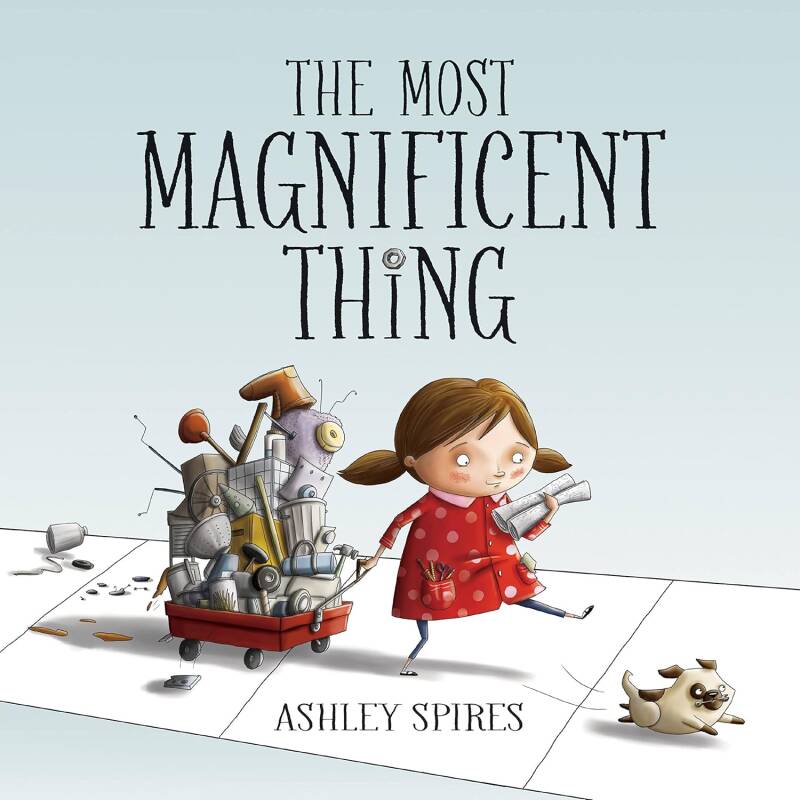
1. The Most Magnificent Thing by Ashley Spires
This is such a fun book for talking about perseverance, frustration, and not giving up.
A little girl has an idea for the most magnificent thing, but actually creating it turns out to be much harder than she expected. She tries again and again...and things definitely don't go according to plan.
Students can easily relate to the frustration of trying something that doesn't work the first time, which makes this a great starting point for discussing theme.
Possible themes:
- Don't give up when something is difficult.
- Mistakes can help us learn.
- Taking a break can help us solve problems.
Theme discussion question:
What does the main character learn because of her struggle?
2. Those Shoes by Maribeth Boelts
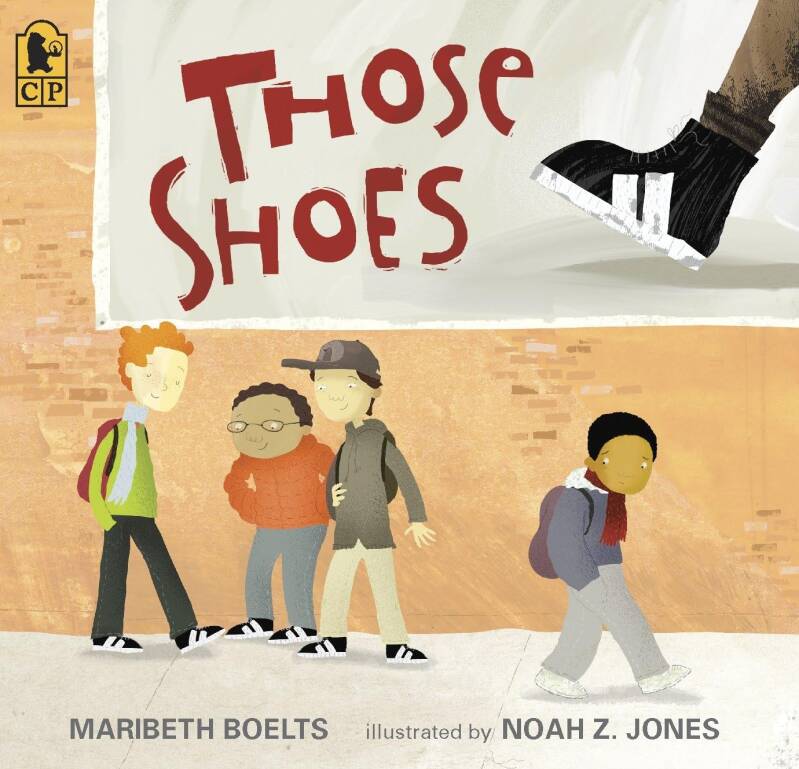
If you haven't used Those Shoes during a theme lesson, add it to your list!
Jeremy desperately wants a pair of shoes that many of the other kids at school have. Unfortunately, his family can't afford them.
The story naturally opens conversations about wants versus needs, generosity, kindness, gratitude, and friendship.
It's also a wonderful book for showing students that a story can have more than one reasonable theme as long as they can support their thinking with evidence.
Possible themes:
- Helping others can be more important than getting what we want.
- Appreciate what you have.
- Kindness is more valuable than possessions.
Theme discussion question:
How do Jeremy's choices near the end of the story help reveal the theme?
3. Enemy Pie by Derek Munson
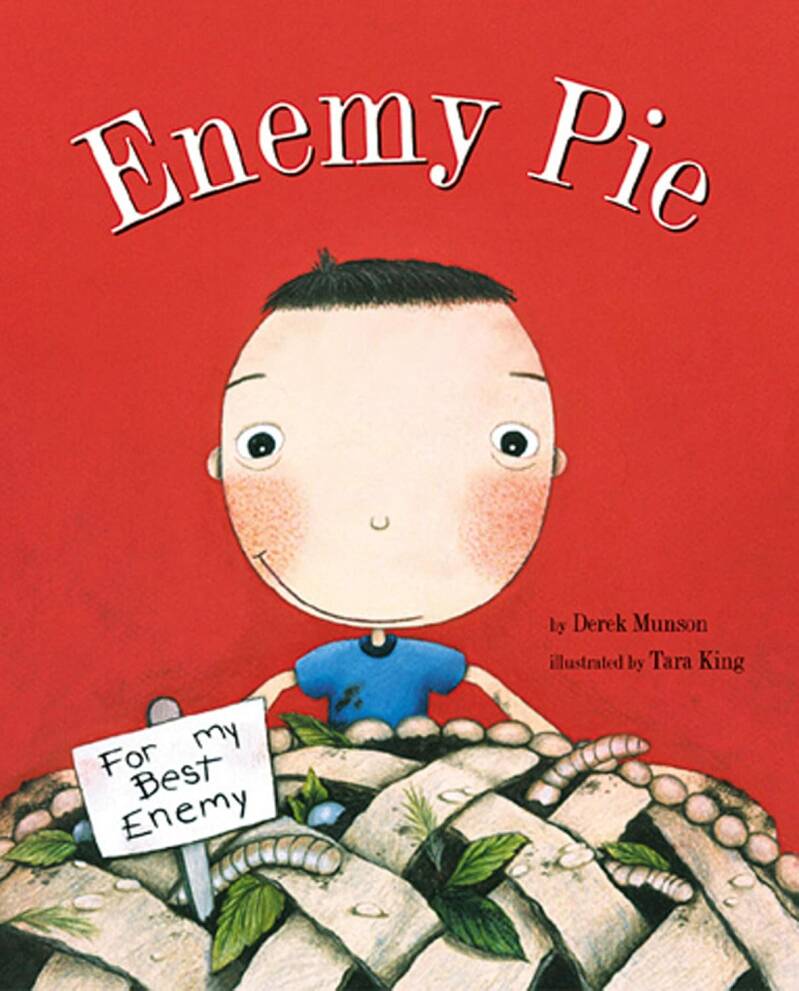
Enemy Pie is always a fun read-aloud because students usually love the idea of an actual recipe for getting rid of an enemy.
A boy believes he has found the perfect solution when his dad offers to make "Enemy Pie." There's just one catch—before the pie can work, he has to spend the entire day with his enemy.
You can probably guess where this is going!
This book works especially well when teaching students to look at how a character changes throughout a story.
Possible themes:
- Getting to know someone can change your opinion of them.
- Friendship can happen unexpectedly.
- Don't judge someone before getting to know them.
Theme discussion question:
How does the narrator's opinion of Jeremy Ross change from the beginning to the end?
4. The Bad Seed by Jory John
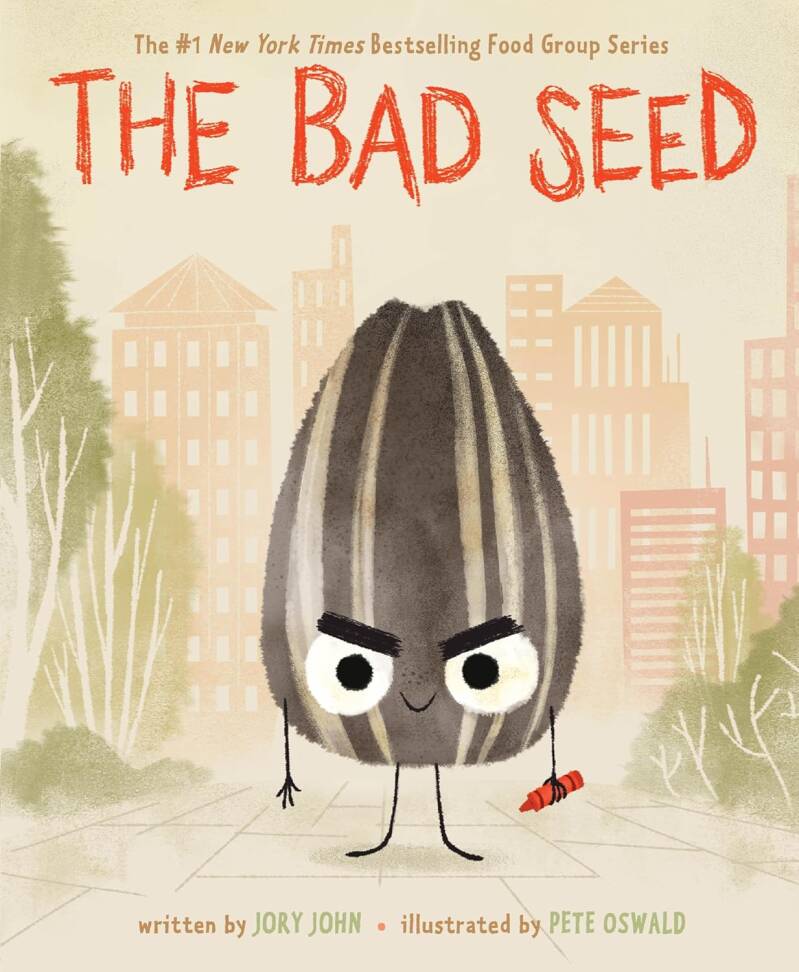
Students LOVE this one!
The Bad Seed has developed a reputation for being…well, bad. But as students learn more about his past, they begin to understand why he behaves the way he does.
Even better, the Bad Seed eventually realizes that his past doesn't have to determine his future.
This creates some great conversations about choices, change, empathy, and second chances.
Possible themes:
- People can choose to change.
- Your past doesn't have to define you.
- We shouldn't judge someone without knowing their story.
Theme discussion question:
What does the Bad Seed realize about himself by the end of the story?
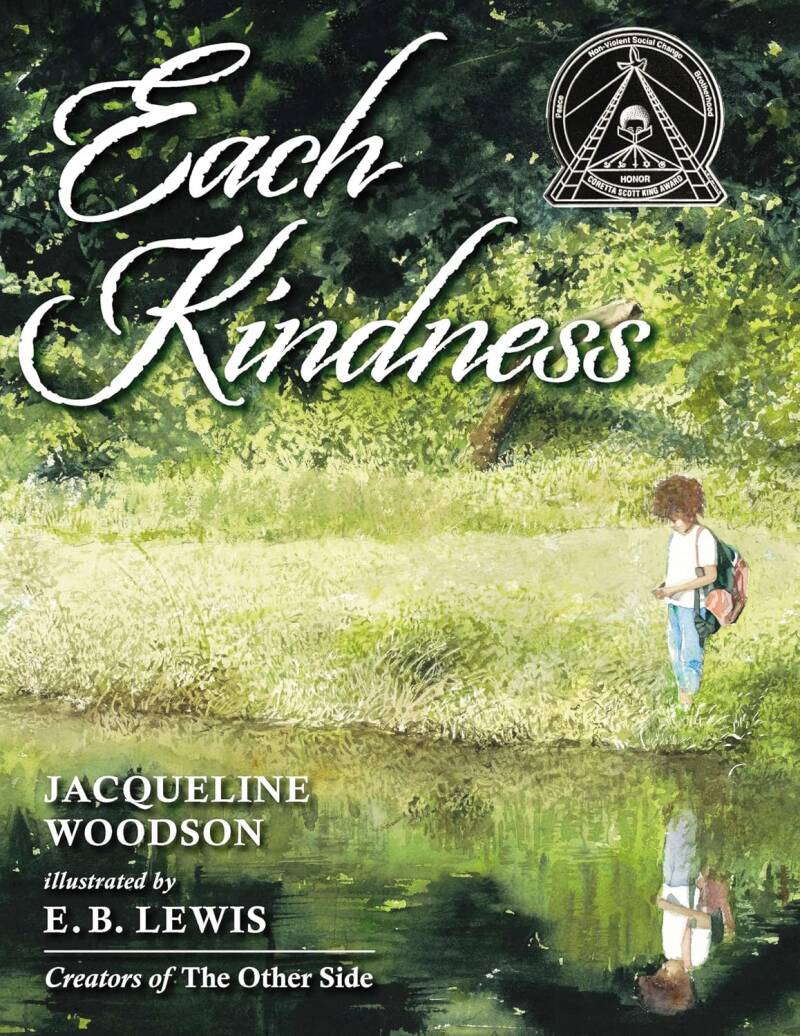
5. Each Kindness by Jacqueline Woodson
This is a powerful read-aloud for teaching theme because the lesson isn't wrapped up with a perfectly happy ending.
When a new student named Maya joins the class, Chloe repeatedly chooses not to include her. Eventually, Maya stops coming to school—and Chloe realizes she may not get another opportunity to show her kindness.
This book can lead to meaningful discussions about how our actions affect other people.
Possible themes:
- Small acts of kindness matter.
- Our choices can affect others.
- Don't wait to show someone kindness.
Theme discussion question:
What does Chloe learn from her experience with Maya?
6. The Dot by Peter H. Reynolds
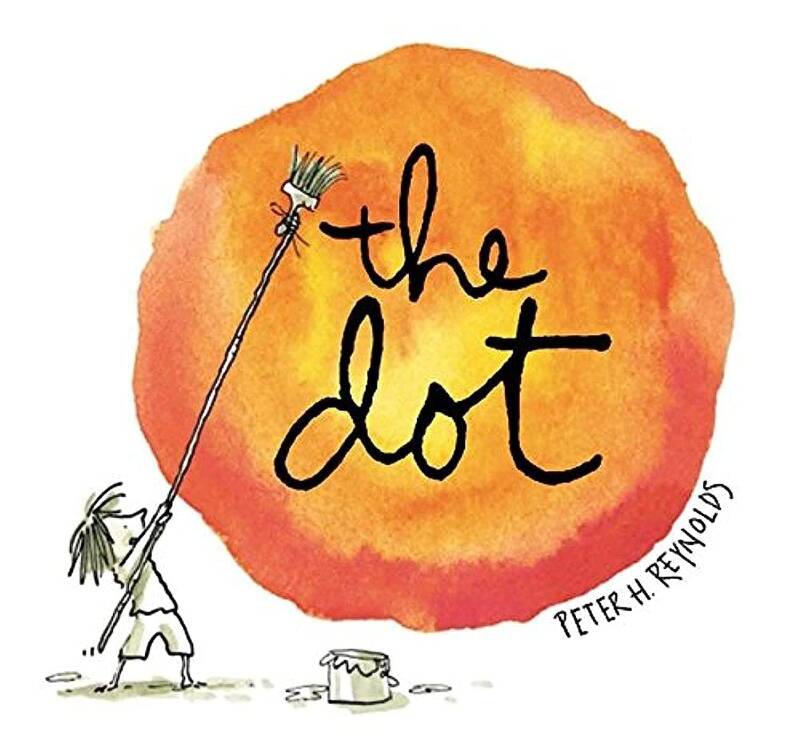
Sometimes the simplest stories create the BEST theme discussions.
Vashti believes she can't draw, but her teacher encourages her to simply make a mark and see where it takes her.
One little dot eventually leads to something much bigger.
This is an especially good choice for younger elementary students who are just beginning to understand the difference between a topic and a theme.
Possible themes:
- Believe in yourself.
- Trying something new can help you discover what you're capable of.
- Encouragement can make a difference.
Theme discussion question:
How does Vashti change from the beginning of the story to the end?
7. Jabari Jumps by Gaia Cornwall
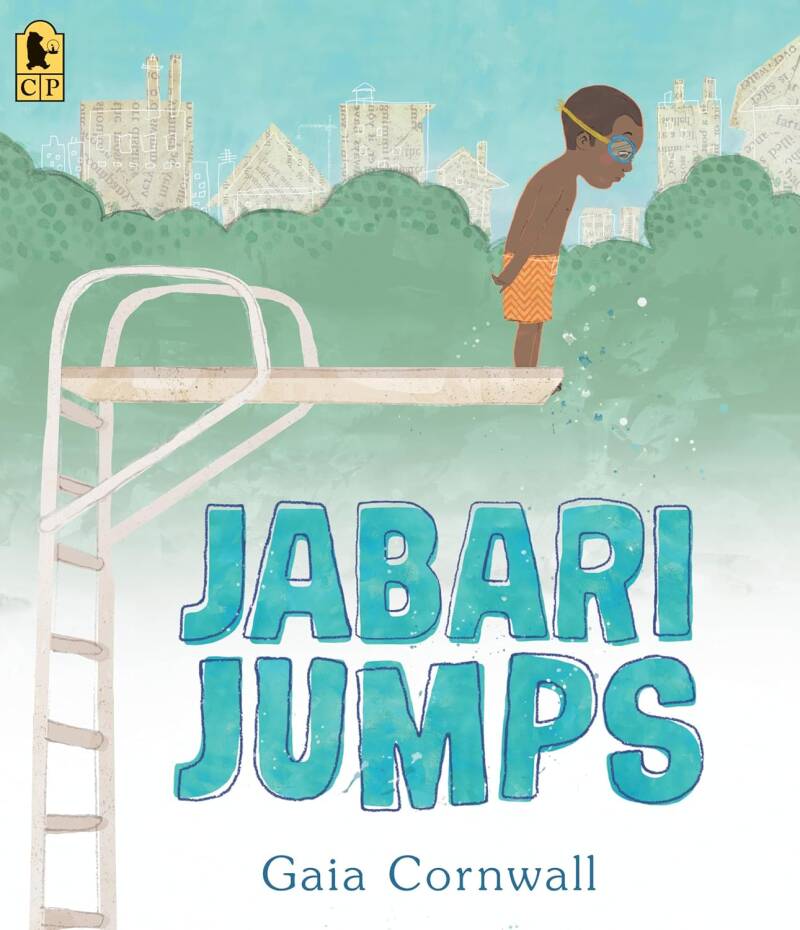
Jabari has finished his swimming lessons and is ready to jump off the diving board.
Or…at least he THINKS he's ready.
Once he's standing there looking down at the water, things suddenly seem a little scarier.
This sweet story is perfect for discussing courage, fear, perseverance, and trying new things.
Possible themes:
- Being brave doesn't mean you aren't afraid.
- Sometimes we have to face our fears.
- Encouragement can help us do difficult things.
Theme discussion question:
What does Jabari's experience teach us about being brave?
8. The Invisible Boy by Trudy Ludwig
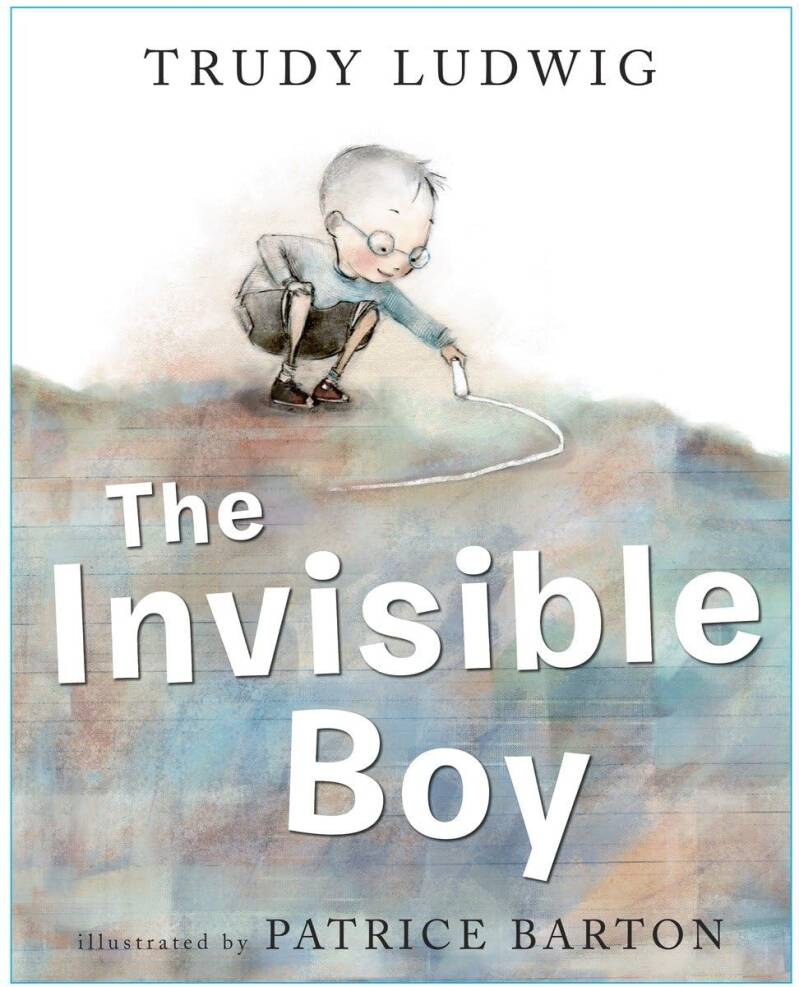
Brian feels invisible in his classroom. He isn't necessarily bullied—he's simply overlooked.
Then a new student arrives.
Brian's small act of kindness begins to create a friendship and helps him feel like he finally belongs.
This book works beautifully for discussing kindness, inclusion, friendship, and belonging.
Possible themes:
- Small acts of kindness can make a big difference.
- Everyone deserves to feel included.
- Friendship can begin with one kind action.
Theme discussion question:
Which events in the story show the importance of including others?
9. After the Fall by Dan Santat
We all know what happened to Humpty Dumpty…but what happened AFTER the fall?
In this clever story, Humpty develops a fear of heights after his famous accident. That fear keeps him from doing something he loves until he finally decides to face it.
This is a great book for older elementary students because students can use Humpty's actions and character development as evidence for their theme.
Possible themes:
- Don't let fear stop you from doing what you love.
- Facing your fears can help you grow.
- Difficult experiences don't have to define your future.
Theme discussion question:
How does Humpty change because of what happened to him?

10. The Name Jar by Yangsook Choi
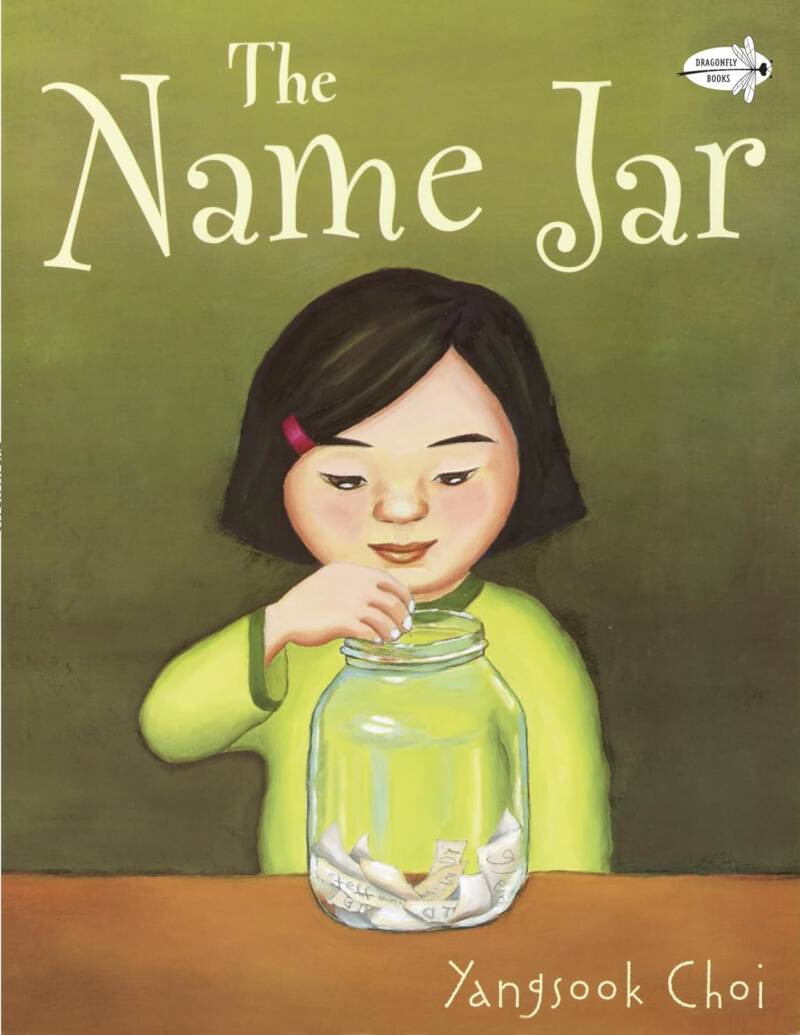
When Unhei moves from Korea to the United States, she worries that her classmates won't be able to pronounce her name. Instead of introducing herself, she tells the class that she'll choose an American name.
Her classmates begin filling a jar with suggestions—but eventually Unhei makes an important decision about who she is.
This story can lead to wonderful discussions about identity, acceptance, friendship, and being yourself.
Possible themes:
- Be proud of who you are.
- Good friends accept you for who you are.
- Our differences are worth celebrating.
Theme discussion question:
What does Unhei learn about her name and herself?
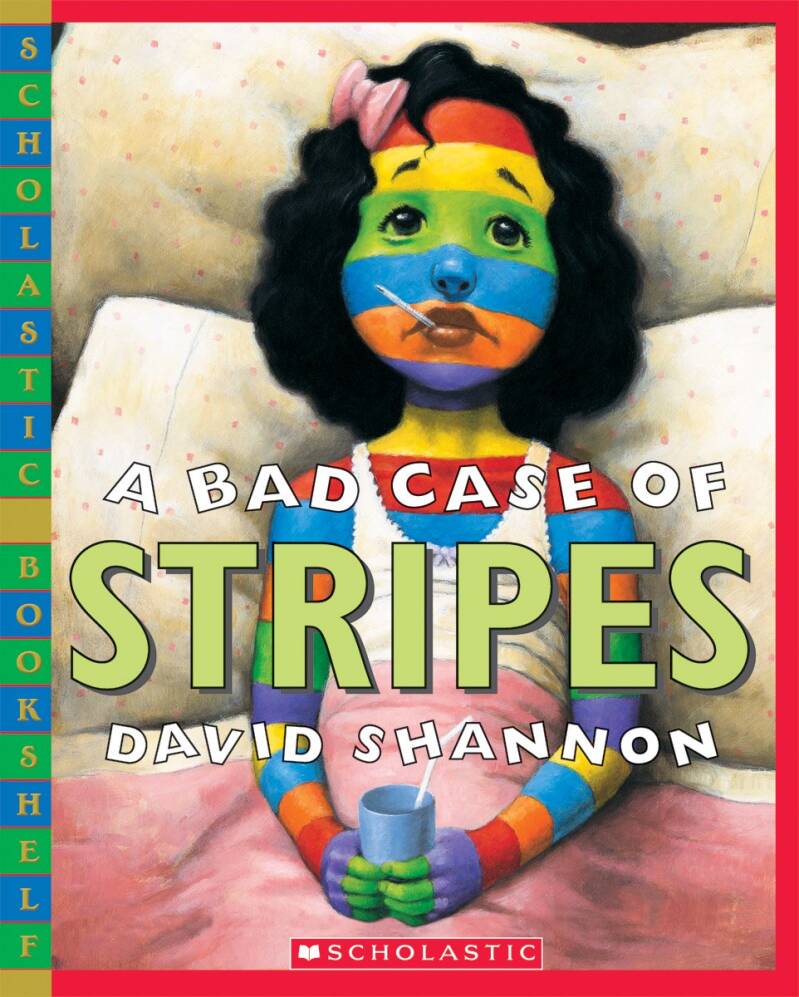
11. A Bad Case of Stripes by David Shannon
Camilla Cream loves lima beans—but she refuses to eat them because she's worried about what other people will think.
And then she wakes up covered in stripes.
This silly story actually gives students plenty to think about when it comes to peer pressure, individuality, and being yourself.
Possible themes:
- Be yourself even when others disagree.
- Don't change who you are just to fit in.
- Worrying too much about others' opinions can keep you from being yourself.
Theme discussion question:
What causes Camilla's problem, and what eventually solves it?
12. The Cool Bean by Jory John
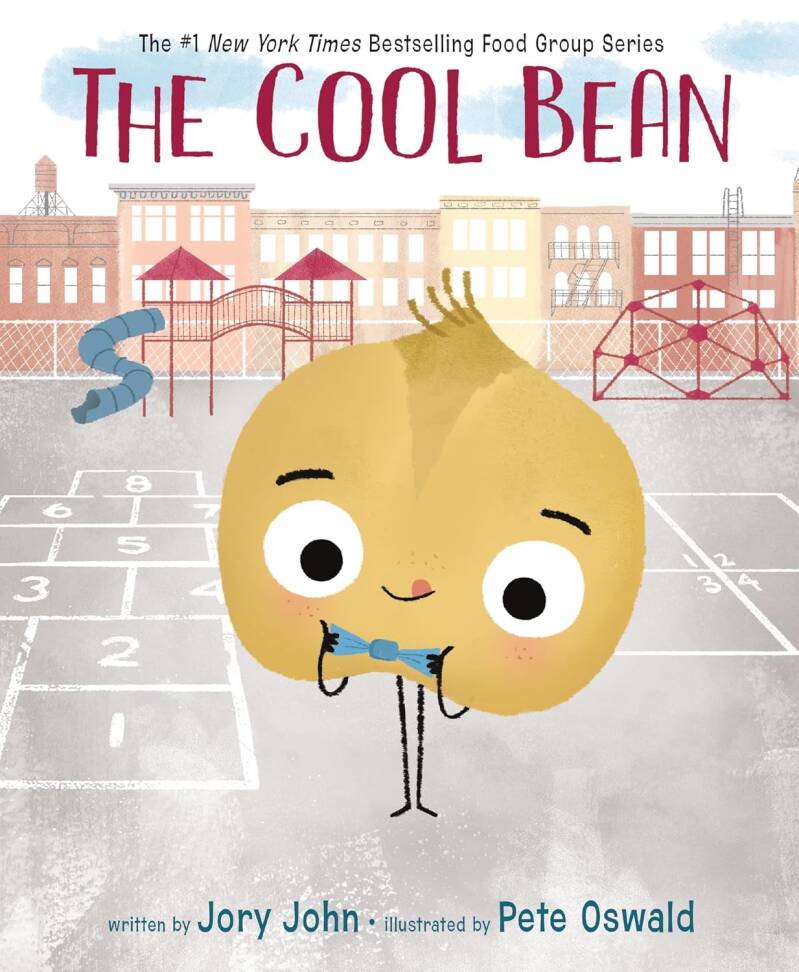
The main character used to be close friends with the other beans, but now they're considered the "cool beans" and he feels like he doesn't belong anymore.
Throughout the story, he begins to realize that being cool might mean something very different than he originally thought.
This one is especially relatable for students navigating friendships and changing social groups.
Possible themes:
- Kindness is what makes someone truly cool.
- Friendship isn't about popularity.
- Small acts of kindness can help someone feel included.
Theme discussion question:
How does the main character's definition of "cool" change?
How I Teach Students to Find the Theme
When students struggle with theme, I try not to immediately ask:
"What is the theme?"
That's a BIG question! Instead, we work our way toward it.
After reading, I might ask:
- What problem did the character face?
- How did the character respond to the problem?
- Did the character change?
- What did the character learn?
- What lesson could the reader learn from this story?
That last question is usually where the lightbulb starts to go on. 💡
Once students identify the lesson, we can turn it into a complete theme statement.
For example:
Topic: Perseverance
That's not quite a theme yet!
Instead, we might say:
Theme: Even when something is difficult, continuing to try can help you succeed.
This distinction is SO important when teaching theme.
Try a Theme vs. Topic Anchor Chart
Another strategy that works well is creating a simple Theme vs. Topic anchor chart.
On one side, list one-word topics:
- Friendship
- Kindness
- Courage
- Perseverance
- Honesty
- Family
- Acceptance
- Responsibility
Then show students how to turn each topic into a message.
Topic: Friendship
Theme: A good friend supports you when things are difficult.
Topic: Courage
Theme: Being brave sometimes means doing something even when you're afraid.
Topic: Kindness
Theme: One small act of kindness can make a big difference.
This helps students see that theme isn't usually one word, it's the message the author communicates about that topic.
Don't Forget the Text Evidence!
Once students become comfortable identifying themes, take it one step further.
Ask:
"What evidence from the story supports that theme?"
Students should be able to point to character actions, important events, dialogue, problems, solutions, or character changes that support their thinking.
And here's something I always like to remind students:
Two readers might identify different themes and both can be correct!
The important part is whether they can support their thinking with evidence from the text.
Using Picture Books to Practice Theme
Picture books aren't just for younger students!
Even in upper elementary classrooms, picture books are one of my favorite ways to introduce or review a reading skill before asking students to apply it to longer texts.
You can read the book aloud, model your thinking, discuss possible themes as a class, and then have students find evidence supporting each theme.
You could even create a Theme of the Day routine.
Read a picture book, have students independently write a possible theme, and then let them compare answers with a partner.
It's quick, low-prep, and gives students lots of repeated practice throughout the year.
Build Your Theme Read-Aloud Collection
You definitely don't need every book on this list to teach theme effectively. Start with a few favorites and slowly build your collection!
I especially love choosing books with strong characters who change, learn a lesson, make a difficult decision, or overcome a problem. Those stories tend to make theme much easier for students to recognize.
And don't be afraid to revisit the same book later in the year. Students are often surprised when they discover a completely different theme the second time they read a story!
Final Thoughts
Theme can be tricky at first, but the right read-aloud can make such a difference.
Instead of giving students a list of themes to memorize, stories allow them to actually see those messages play out through characters and events.
Start with the character.
Talk about the problem.
Notice how the character changes.
Then ask:
"What can we learn from this story?"
Before long, your students will start spotting possible themes everywhere they read. 📚❤️
Which book do you love using to teach theme? Leave a comment below—I’m always looking for another excuse to add a picture book to my classroom collection!
Add comment
Comments