

Starting a new school year can feel overwhelming, especially if this is your first year teaching third grade or just teaching in general. There are so many things to organize before students walk through the door! The good news is that you don't have to have a Pinterest-perfect classroom, you just need a classroom that's organized, welcoming, and ready for learning.
Use this classroom setup checklist to make sure you've covered the essentials before the first day of school.
1. Set Up Student Desks
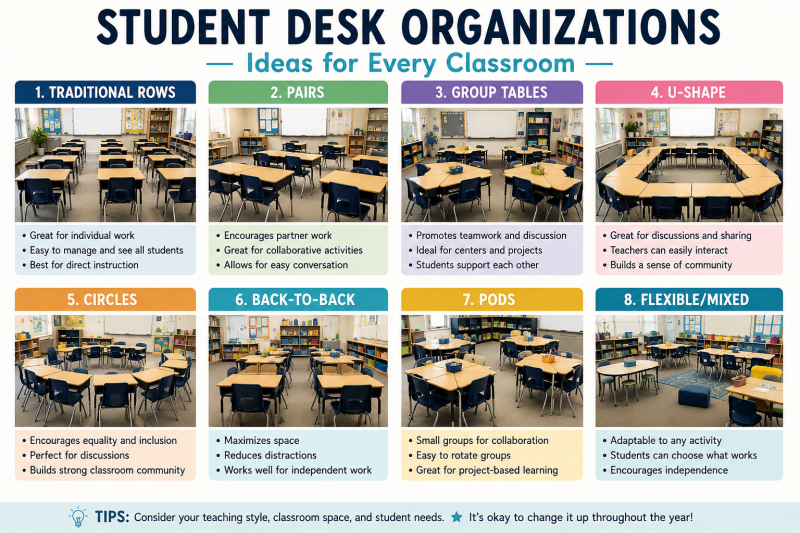
Arrange desks in a layout that works for your teaching style and classroom management approach. Think about how and where you plan to teach—whether you prefer rows for focused work, groups for collaboration, or a hybrid setup that allows flexibility.
✅ Label desks with student names (or numbers if you assign seats later) so students know exactly where to go on the first day.
✅ Make sure every student can clearly see the board, anchor charts, and teaching area without obstruction.
✅ Leave enough room to walk around and monitor students easily, especially during independent work or small group instruction.
✅ Decide where backpacks and lunch boxes will go to avoid clutter around desks—consider hooks, cubbies, or a designated wall space.
2. Organize Classroom Supplies
I like to create designated areas for everyday materials so my students can access what they need independently. This reduces interruptions and it helps build responsibility.
Here are some things you'll want ready:
- Pencils (keep extras available for students who forget)
👉 Amazon Affiliate Link - Crayons or colored pencils (store them in bins or individual supply boxes)
👉 Amazon Affiliate Link - Glue sticks (essential for projects and interactive notebooks)
👉 Amazon Affiliate Link - Scissors (consider labeling or color-coding sets)
👉 Amazon Affiliate Link - Dry erase markers (used daily for quick practice and assessments)
👉 Amazon Affiliate Link - Highlighters (help students focus on key information)
👉 Amazon Affiliate Link - Sticky notes (perfect for reading responses and reminders)
👉 Amazon Affiliate Link - Lined paper (use for all subject areas)
👉 Amazon Affiliate Link
Consider using labeled bins so students know exactly where supplies belong and can return them correctly after use.
👉 Storage Bin Affiliate Link
3. Create a Classroom Library
An inviting classroom library encourages students to read every day and helps build a love of reading. Try to make your library easy to navigate so students can find books independently.
You can organize books by:
- Reading level (to support differentiated instruction)
- Genre (fiction, nonfiction, fantasy, mystery, etc.)
- Author (great for author studies)
- Series (helps students continue reading books they enjoy)
- Theme (friendship, adventure, school, etc.)
- Holidays (seasonal reading options)
- Science or Social Studies topics (integrate content learning)
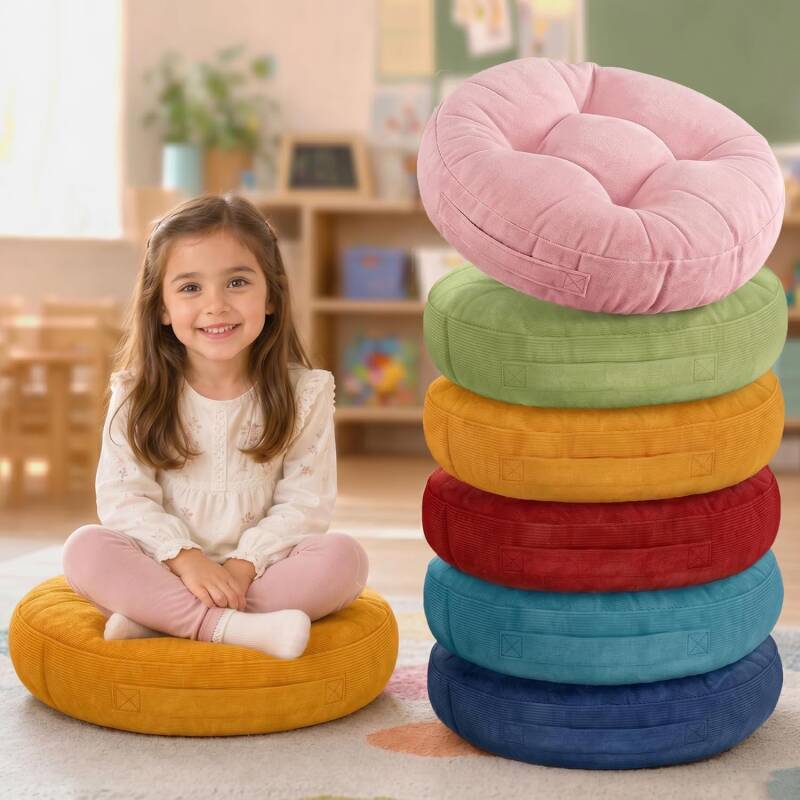
Add labels and clear categories so students can easily return books to the correct place. Also, don't forget comfortable seating if space allows, this makes reading time feel special and relaxing.
👉 Book Bins Affiliate Link
👉 Floor Cushion Affiliate Link
4. Prepare Your Teacher Area
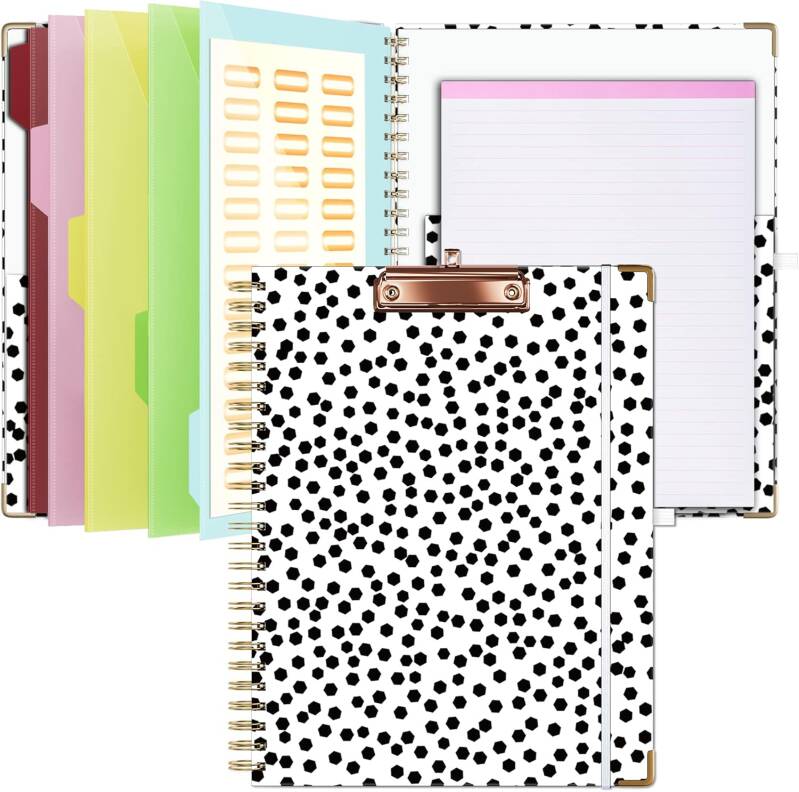
Your workspace should help you stay organized and efficient throughout the day. A well-organized teacher area saves time and reduces stress during busy moments.
Include:
- Teacher planner (for daily and weekly lesson planning)
👉 Amazon Affiliate Link - Clipboard (for attendance, notes, and small group tracking)
👉 Amazon Affiliate Link - Paper trays (organize copies, grading, and paperwork)
👉 Amazon Affiliate Link - Storage drawers (store supplies, materials, and extras)
👉 Amazon Affiliate Link - Emergency substitute plans (keep easily accessible)
- Important passwords (store securely)
- Student information (IEPs, accommodations, contact info)
A clean and organized teacher desk helps you stay focused and prepared throughout the day.
5. Set Up Learning Centers
If you use centers or stations, preparing them ahead of time will make your classroom run more smoothly from the start. Centers allow students to work independently while you focus on small groups.
Examples include:
- Reading Center (books, comprehension activities)
- Writing Center (prompts, paper, editing tools)
- Math Center (games, manipulatives, practice tasks)
- STEM Center (hands-on building and problem-solving)
- Word Work (spelling and vocabulary activities)
- Technology Station (devices and headphones)
- Early Finisher Activities (extension tasks)
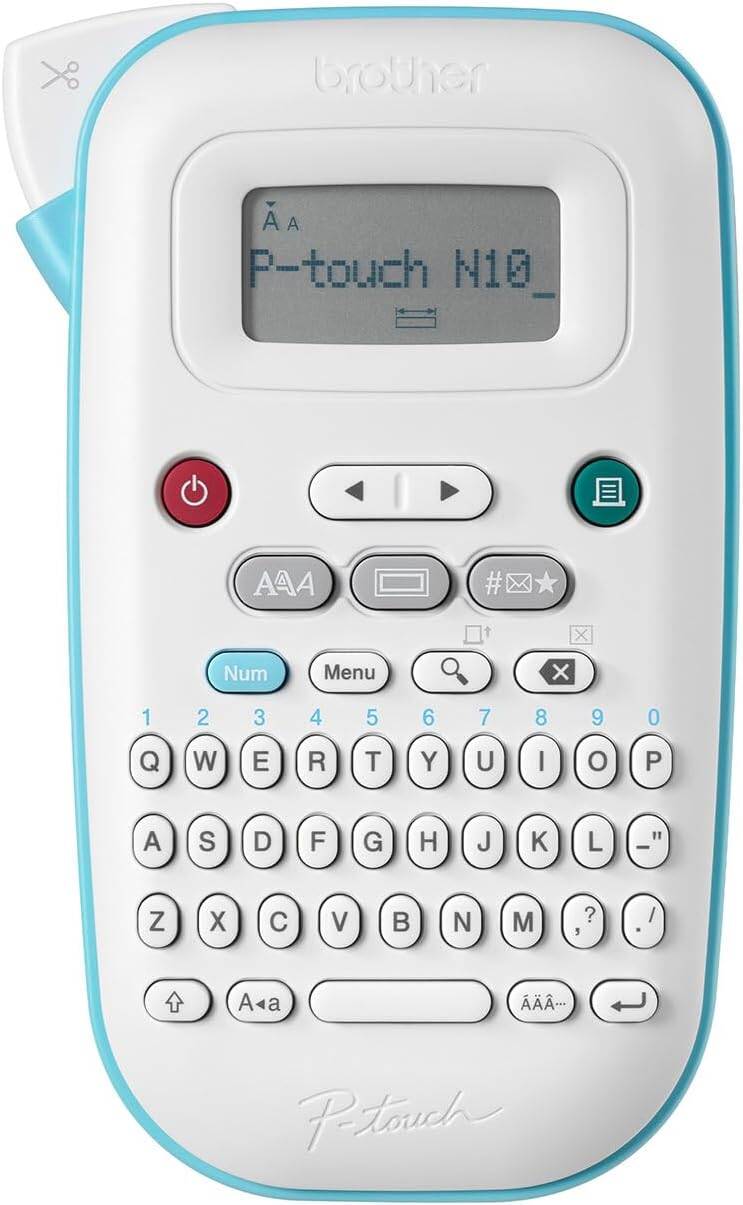
Label each center clearly so students know where materials belong and what is expected at each station.
👉 Label Maker Affiliate Link
6. Organize Classroom Management Materials
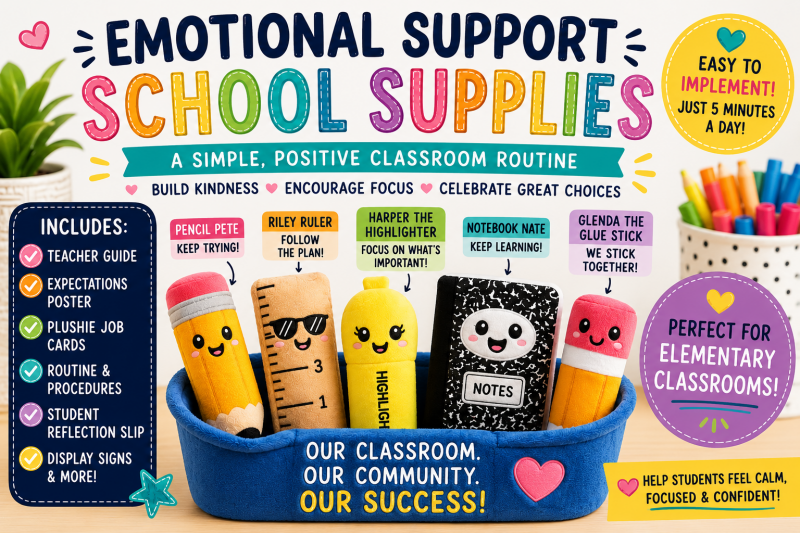
Check out this resource to help implement these adorable, emotional support school supplies!
Have your behavior systems ready before students arrive so expectations are clear from Day One. Consistency is key to building a positive classroom environment.
This might include:
- Classroom rules (simple and easy to understand)
- Expectations posters (visual reminders for behavior)
- Reward system (stickers, points, or incentives)
- Classroom jobs (give students responsibility)
- Voice level chart (helps manage noise levels)
- Hand signals (reduce interruptions)
- Bathroom passes (limit disruptions)
👉 Amazon Affiliate Link - Hall passes (track student movement)
👉 Amazon Affiliate Link - Behavior tracker (monitor and support student behavior)
- Emotional Support Pals👉 Amazon Affiliate Link
Students feel more confident and secure when routines are consistent and clearly communicated.
7. Prepare Student Materials
Having first-week materials ready will help your days run smoothly and reduce last-minute stress. Organize everything in the order you plan to use it.
Examples include:
- Name tags (help you learn names quickly)
👉 Amazon Affiliate Link - Welcome activities (engage students right away)
- Student surveys (learn about interests and needs)
- Reading assessments (determine levels)
- Math assessments (identify strengths and gaps)
- File Folder labels (keep materials organized)
👉 Amazon Affiliate Link - Cubby labels (assign storage spaces)
👉 Amazon Affiliate Link - Homework folders (organize take-home work)
- Parent information packets (share important details)
Place everything in order so transitions are smooth and you always know what comes next.
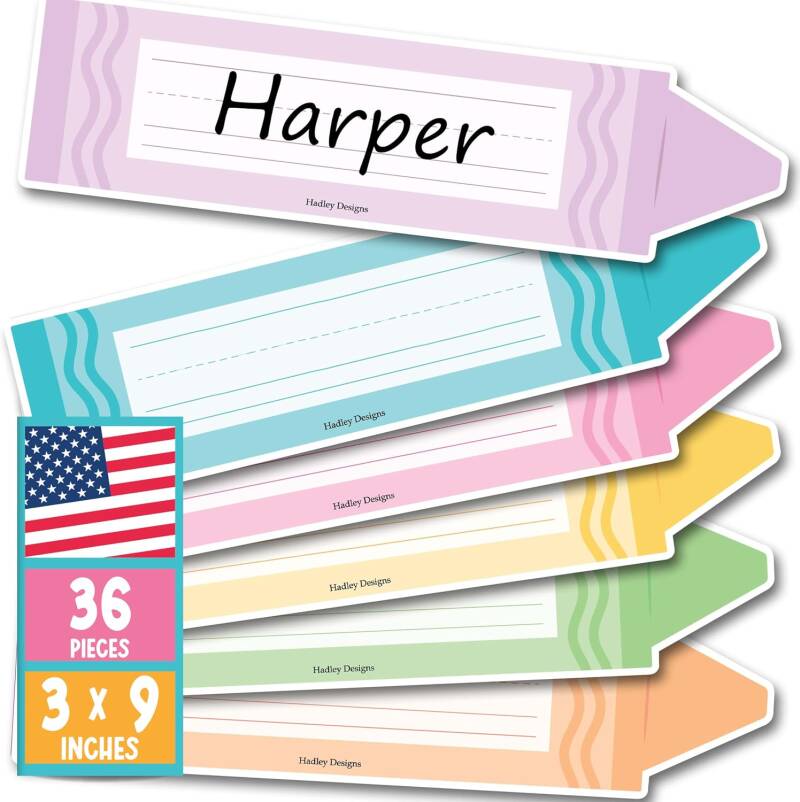
8. Decorate Bulletin Boards
Don't stress about making everything perfect—focus on creating a space that is both welcoming and functional. Bulletin boards should support learning and showcase student work.
Focus on bulletin boards that are functional, such as:
- Welcome Board (greet students on Day One)
- Birthday Board (celebrate students)
- Student Work Display (highlight achievements)
- Reading Goals (track progress)
- Growth Mindset Quotes (encourage perseverance)
- Classroom Expectations (reinforce rules)
- Math Vocabulary (support learning)
- Word Wall (build language skills)
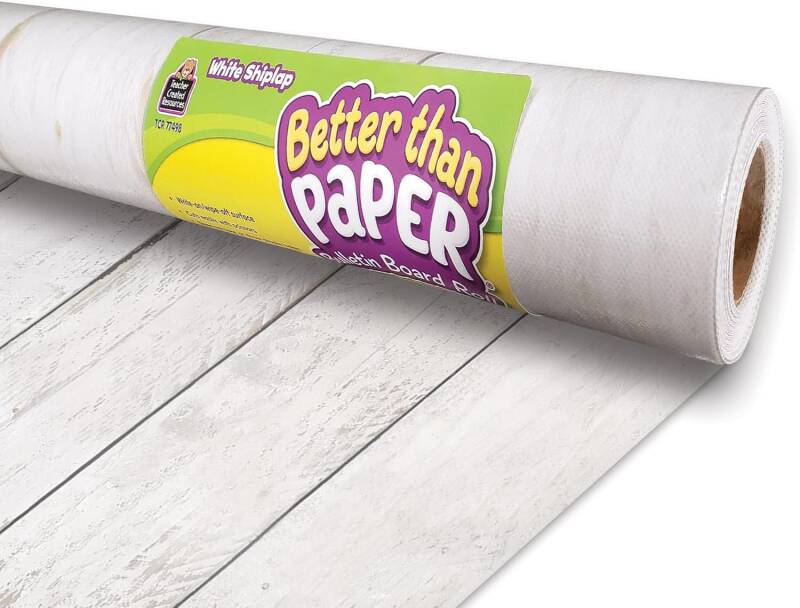
Leave space for student work, you'll fill your classroom with learning throughout the year. I like to use Better Than Paper because it doesn't fade, rip, or tear, and you can use dry erase markers on it! This "paper" lasts for a long time and can be reused year after year!
👉 Better Than Paper Amazon Affiliate Link
9. Prepare Technology
Before students arrive, check that everything works properly to avoid disruptions during lessons. Test all devices and logins ahead of time.
Make sure you can access:
- Interactive board (for lessons and activities)
- Document camera (model work and share examples)
👉 Amazon Affiliate Link - Classroom computers (ensure they are updated)
- Student devices (check functionality)
- Charging stations (keep devices charged)
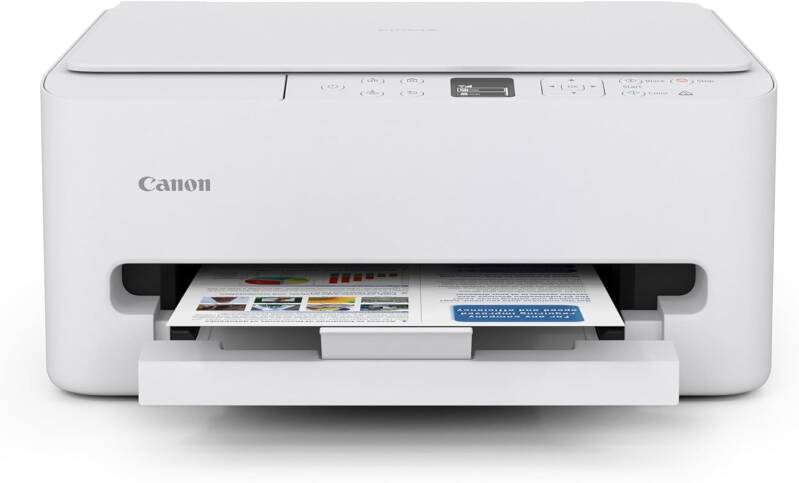
👉 Amazon Affiliate Link - Printer (test printing and ink levels)
👉 Amazon Affiliate Link - Wi-Fi (confirm connectivity)
- Learning platforms (log in and test access)
Nothing slows down the first week like unexpected technology issues.
10. Stock Your Teacher Toolbox
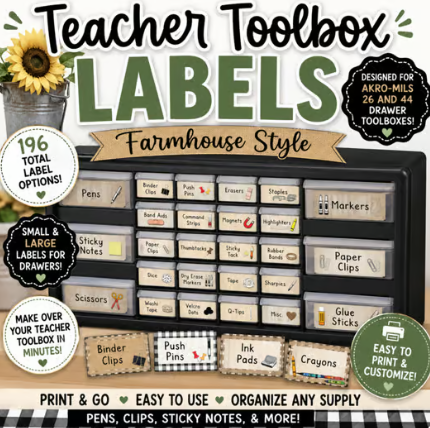
Keep frequently used supplies within easy reach so you don't have to search for them during lessons. A well-stocked toolbox saves time and keeps you organized.
Teacher favorites include:
- Extra pencils
- Sharpies (for labeling and posters)
👉 Amazon Affiliate Link - Sticky notes (quick reminders and feedback)
👉 Amazon Affiliate Link - Tape (for quick fixes)
👉 Amazon Affiliate Link - Binder clips (organize papers)
👉 Amazon Affiliate Link - Paper clips (keep documents together)
- Rubber bands (bundle materials)
- White-out (correct mistakes)
👉 Amazon Affiliate Link - Staple remover (fix stapling mistakes)
👉 Amazon Affiliate Link
Having everything nearby saves time during busy lessons.
👉 Teacher Toolbox Affiliate Link
11. Plan First Week Activities
Prepare engaging activities that help students feel comfortable and build relationships. The first week sets the tone for the entire year.
Ideas include:
- Classroom scavenger hunt (help students learn the room)
- Meet the Teacher stations (introduce yourself and routines)
- Team-building games (build classroom community)
- Classroom expectations activities (teach routines)
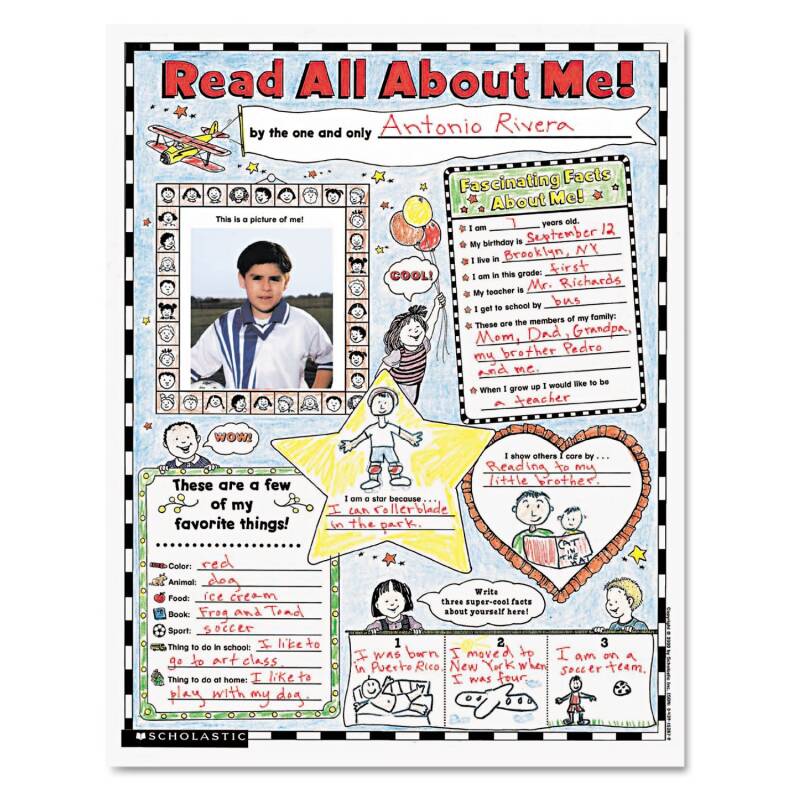
- All About Me pages (learn about students)
- Goal setting (encourage ownership of learning)
- Read-alouds (model reading and discussion)
- Icebreaker games (help students connect)
- Classroom procedures practice (build routines)
The first week is about building relationships just as much as teaching academics.
12. Prepare Parent Communication
Before Open House or the first day, have communication materials ready to build strong relationships with families.
- Welcome letter (introduce yourself and your classroom)
- Supply list (clarify expectations)
- Classroom expectations (share rules and routines)
- Communication procedures (email, apps, newsletters)
- Volunteer information (invite involvement)
- Classroom wish list (optional support items)
- Weekly newsletter template (keep families informed)
- Contact information sheet (collect parent details)
Strong communication builds trust from the beginning.
13. Double-Check Safety Procedures
Know exactly what to do during emergencies and make sure students will understand procedures when taught.
Review:
- Fire drill procedures (exit routes and meeting points)
- Tornado drill procedures (safe areas)
- Lockdown procedures (safety protocols)
- Medical information (student needs)
- Allergy alerts (prevent risks)
- Emergency contacts (quick access)
- Nurse passes (track visits)
Being prepared helps everyone feel more confident and safe.
14. Walk Through the First Day
Take 15–20 minutes to mentally practice your first day so you feel confident and prepared.
Think through:
- Greeting students (set a positive tone)
- Morning arrival (establish routines)
- Attendance (efficient tracking)
- Classroom tour (introduce key areas)
- Teaching expectations (model behavior)
- Lunch procedures (smooth transitions)
- Dismissal (safe and organized)
Visualizing your day helps reduce stress and reveals anything you may have forgotten.
Final Classroom Setup Checklist
✔ Student desks arranged
✔ Classroom library organized
✔ Supplies labeled
✔ Teacher area organized
✔ Centers prepared
✔ Bulletin boards finished
✔ Technology tested
✔ Teacher toolbox stocked
✔ Classroom management system ready
✔ Student materials copied
✔ Parent communication prepared
✔ Safety procedures reviewed
✔ First week lessons planned
Final Thoughts
Remember, your classroom doesn't have to be picture-perfect to be successful. What students will remember most is how welcomed, supported, and encouraged they felt when they walked into your room.
Take your setup one step at a time, celebrate your progress, and don't be afraid to adjust things once students arrive. Every great classroom evolves throughout the school year.
If you're looking for ready-to-use third grade resources, classroom management ideas, and back-to-school activities, be sure to explore the growing collection at Third Grade Waz Squad. You'll find time-saving resources designed to help you spend less time prepping and more time teaching.
Add comment
Comments