

If you've spent any time on teacher Instagram or Pinterest lately, you've probably seen classrooms filled with wobble stools, floor cushions, and cozy reading corners. Flexible seating has become increasingly popular in elementary classrooms—and for good reason!
Flexible seating gives students opportunities to move, collaborate, and learn in environments that meet their individual needs. While traditional desks still have their place, adding a few flexible seating options can help improve engagement, focus, and classroom community.
Whether you're a first-year teacher or a seasoned educator looking to refresh your classroom, here are some of the best flexible seating ideas for elementary teachers.
What Is Flexible Seating?
Flexible seating allows students to choose where and how they sit while learning. Instead of assigning every child to a traditional desk all day, teachers provide various seating options throughout the classroom.
Benefits of flexible seating may include:
- Increased student engagement
- Improved focus for some learners
- More opportunities for movement
- Enhanced collaboration
- Greater student ownership and responsibility
- A more welcoming classroom environment
Keep in mind that flexible seating doesn't have to mean replacing every desk. Many teachers successfully implement a hybrid model with both traditional seating and flexible options.
Below, I've shared some of my favorite flexible seating ideas for elementary teachers, along with recommended products to help you get started!
1. Wobble Stools
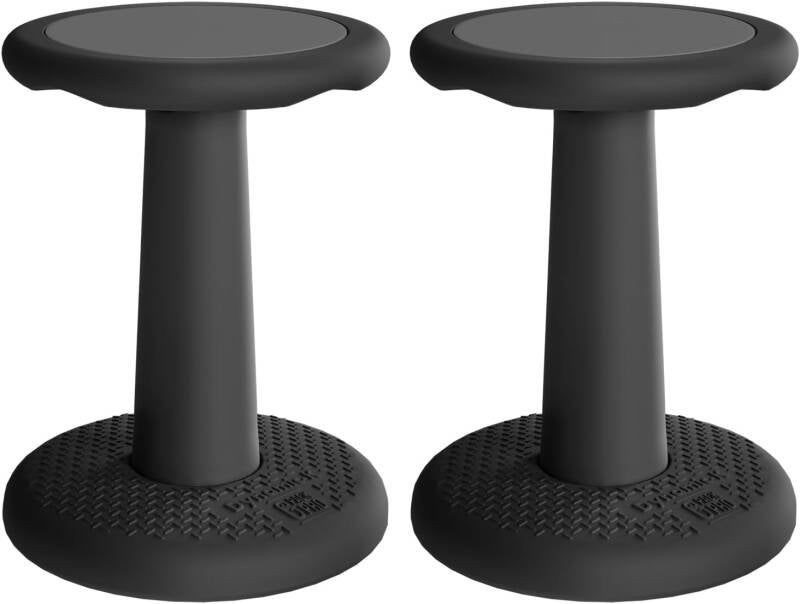
Wobble stools remain one of the most popular flexible seating options. They allow students to gently move while staying in one place, which can be especially helpful for students who need frequent movement breaks.
Why teachers love them:
- Promote active sitting
- Easy to clean
- Durable for daily classroom use
- Great for small group tables
Affiliate Link: https://amzn.to/4aUd6Jw
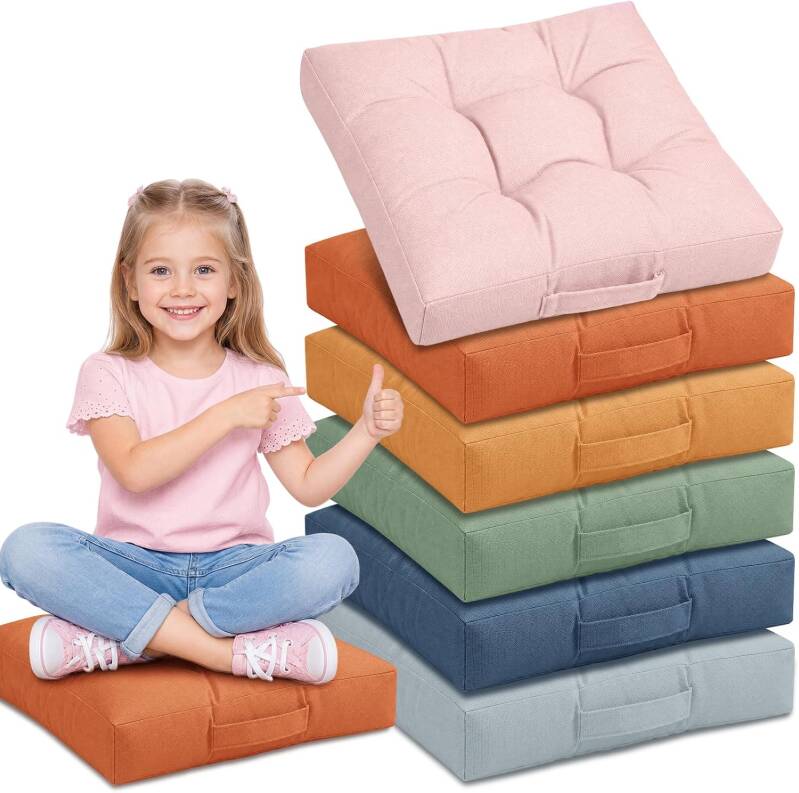
2. Floor Cushions
Floor cushions create a cozy and inviting atmosphere in any classroom. They're perfect for independent reading, partner work, or small group activities.
Tips:
- Choose washable covers.
- Use different colors to match your classroom theme.
- Label cushions to help with organization.
Floor cushions are often a student favorite and can instantly transform an unused corner into a comfortable learning space.
Affiliate Link: https://amzn.to/4wLOlaY
3. Stability Ball Chairs
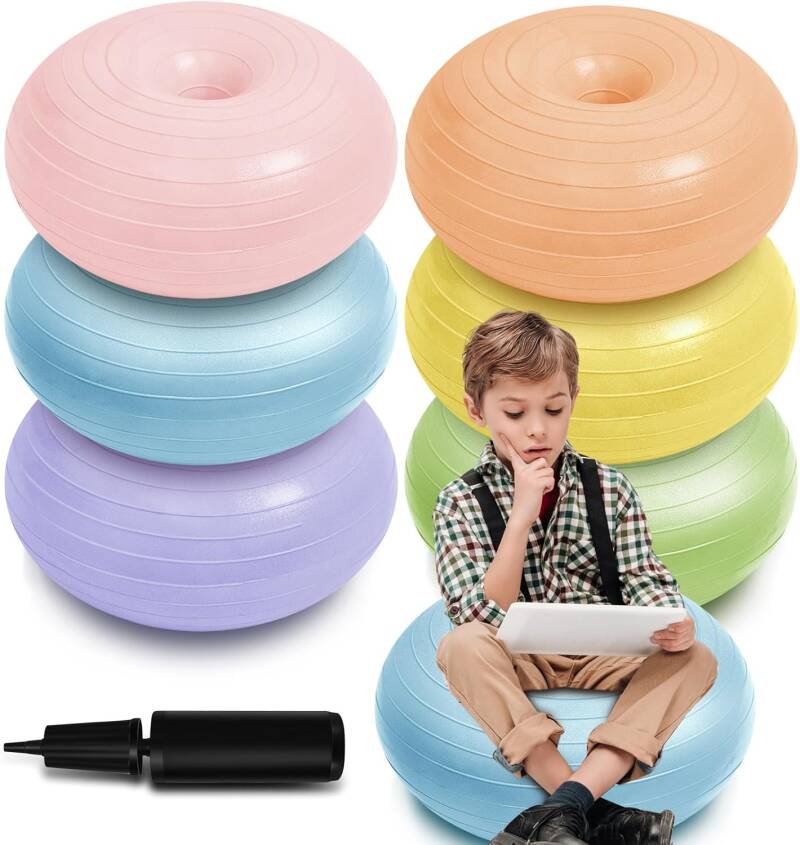
Stability ball chairs provide students with movement while encouraging good posture. Many teachers use them as an earned privilege or rotate them throughout the week.
Things to consider:
- Set expectations before introducing them.
- Teach students how to use them safely.
- Start with just a few before purchasing an entire class set.
Affiliate Link: https://amzn.to/3RCST4m
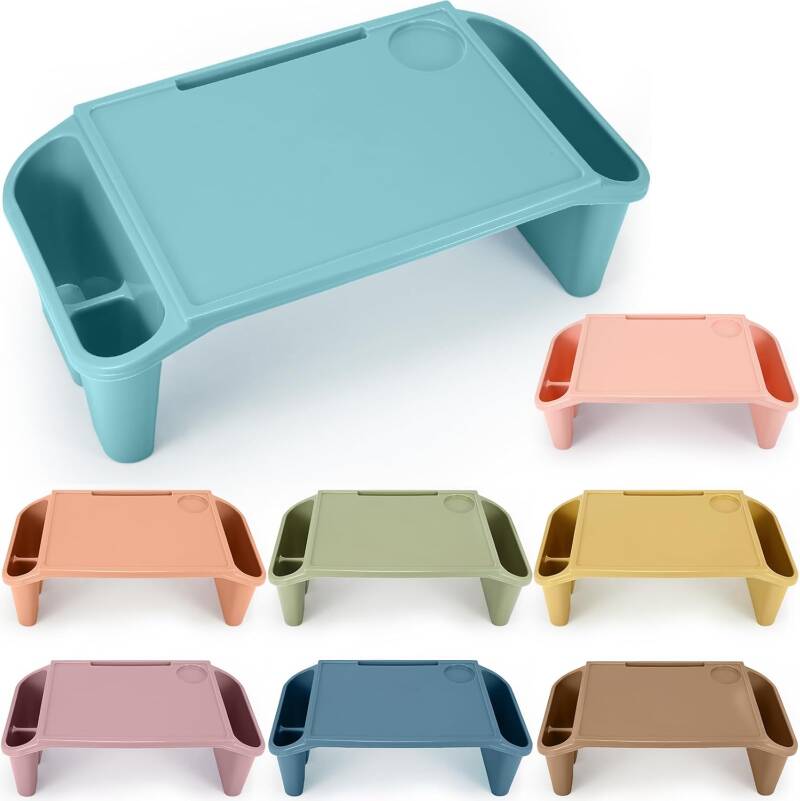
4. Lap Desks
Lap desks are an affordable way to introduce flexible seating without rearranging your entire classroom. Students can work on the floor, in a reading nook, or even outside when weather permits.
Lap desks are especially useful for:
- Writing activities
- Independent work
- Reading centers
- STEM challenges
Affiliate Link: https://amzn.to/457hvoU
5. Bean Bag Chairs

Bean bags have been a classroom staple for years, and they're still a great option for elementary students.
Bean bags work best in:
- Reading corners
- Calm-down spaces
- Library areas
- Morning work stations
Pro Tip: Look for bean bags with removable, washable covers for easy cleaning.
Affiliate Link for Cover (no filler): https://amzn.to/4ymvIMi
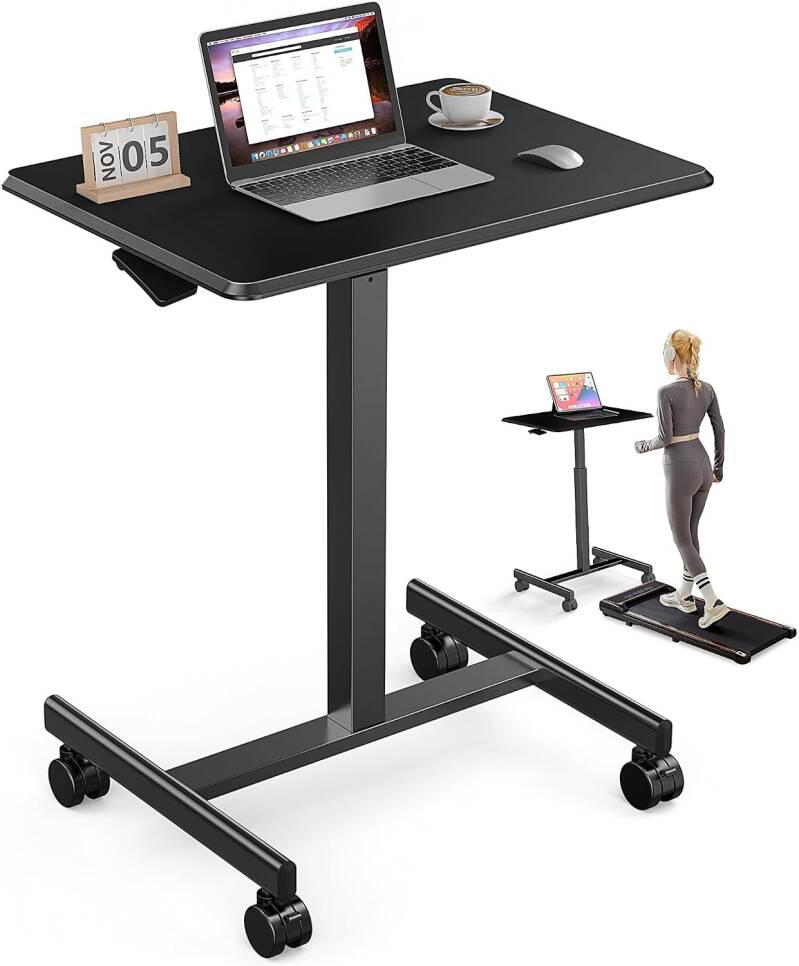
6. Standing Desks
Some students simply focus better while standing. Standing desks provide another seating option that encourages movement throughout the day.
If purchasing standing desks isn't in your budget, consider:
- Adjustable risers
- Counter-height tables
- DIY standing stations
Many teachers report that standing desks are especially beneficial for students who struggle with sitting for extended periods.
Affiliate Link: https://amzn.to/4w39nBM
7. Scoop Rockers
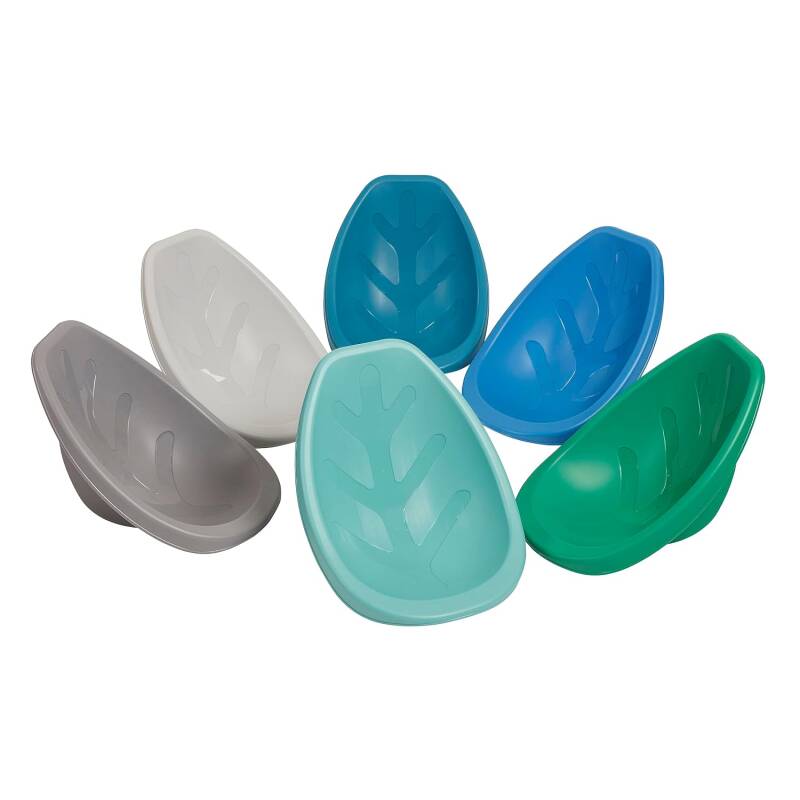
Scoop rockers are lightweight floor seats that allow students to gently rock while working. They're easy to stack and store, making them ideal for classrooms with limited space.
Teachers often use scoop rockers during:
- Read alouds
- Independent reading
- Centers
- Morning meetings
Affiliate Link: https://amzn.to/3TAGWg4
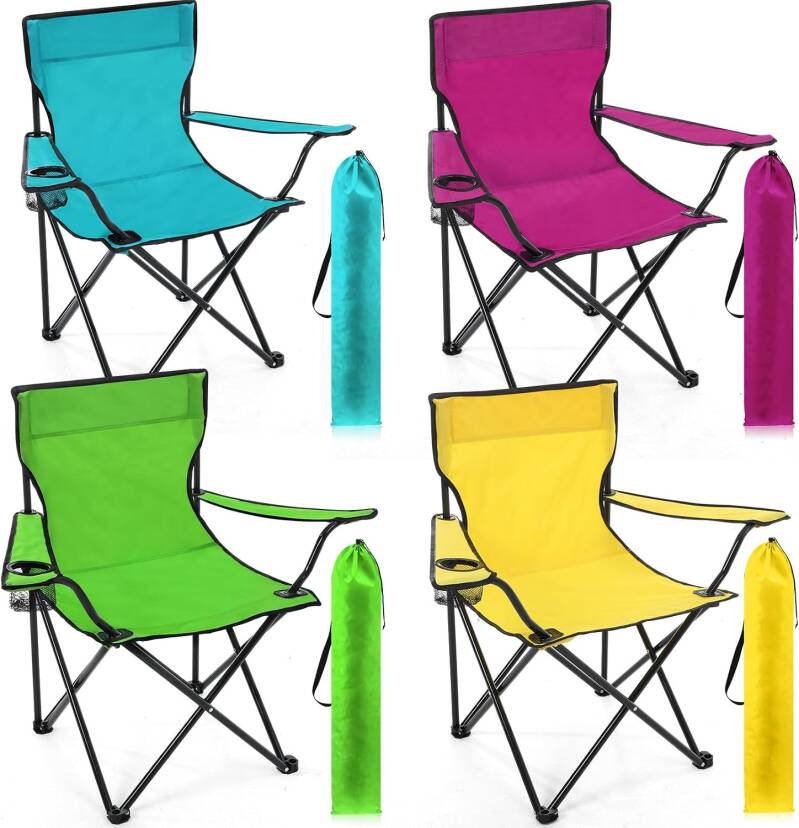
8. Camping Chairs
Need an inexpensive flexible seating option? Try folding camping chairs!
Students love the novelty of sitting in a camping chair during independent reading or classroom celebrations. Bonus points if you create a "camping-themed" reading corner.
Affiliate Link: https://amzn.to/4pmyA7U
9. Create Seats
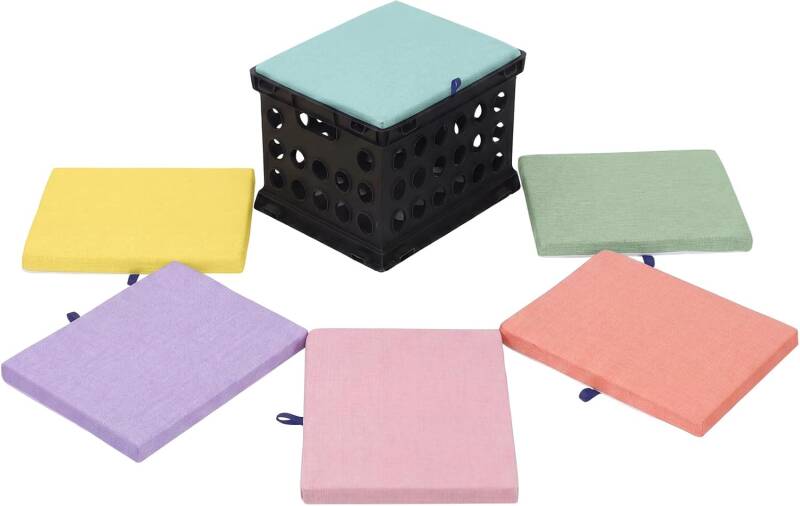
DIY crate seats are both practical and budget-friendly. Simply add a cushion to a storage crate to create seating that doubles as organization.
Use crate seats to store:
- Books
- Math manipulatives
- STEM supplies
- Seasonal materials
This is a great solution for teachers looking to maximize classroom space.
Affiliate Link: https://amzn.to/4ynePkv
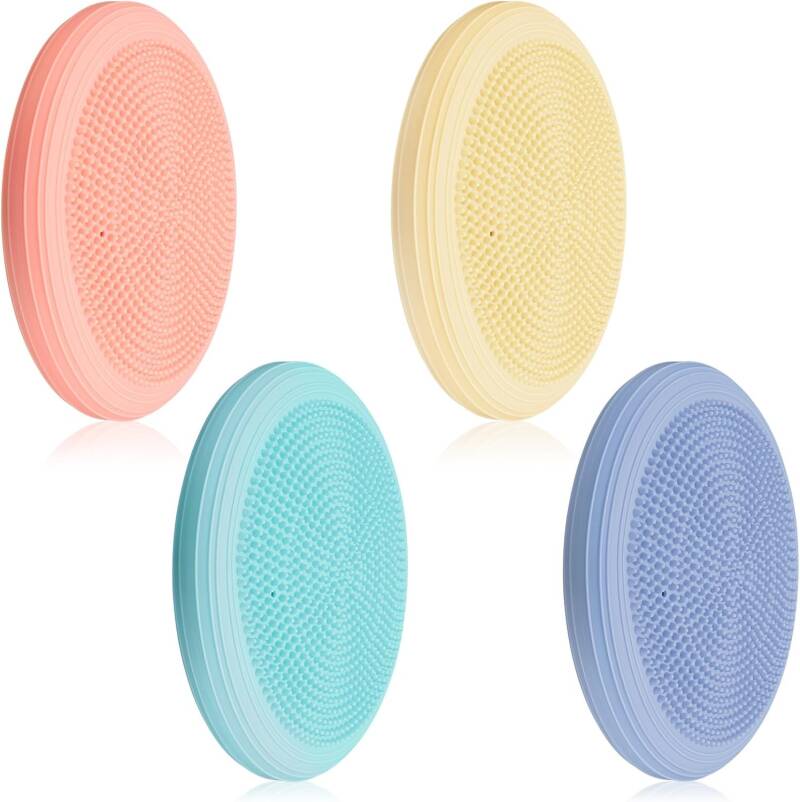
10. Balance Cushions
Balance cushions can be placed on traditional classroom chairs to provide subtle movement throughout the day.
They're perfect if:
- Your school doesn't allow major furniture changes.
- You're trying flexible seating for the first time.
- You have a limited classroom budget.
Students get the benefits of movement while still sitting at their desks.
Affiliate Link: https://amzn.to/4vug8LW
Tips for Successfully Implementing Flexible Seating
Before introducing flexible seating, establish clear expectations:
- Flexible seating is a privilege.
- Students must choose a spot where they can learn.
- If a seating option becomes distracting, students may need to switch.
- Teach routines for cleaning and storing materials.
- Practice transitions frequently.
Remember, flexible seating doesn't have to happen overnight. Start with a few options and gradually add more as your students demonstrate responsibility.
Final Thoughts
Flexible seating can help create a classroom environment that feels welcoming, engaging, and student-centered. The best part? There's no one-size-fits-all approach.
Start small, observe what works for your students, and don't be afraid to make adjustments throughout the year. Even adding a few floor cushions or wobble stools can make a big difference in your classroom community.
What flexible seating option is your students' favorite? Let me know in the comments!
Disclosure: This post contains affiliate links. As an Amazon Associate, I earn from qualifying purchases at no additional cost to you. I only recommend products that I personally use, love, or believe would be beneficial in an elementary classroom.
Add comment
Comments