

There’s something about fall that makes read-aloud time feel extra special. Maybe it’s the cooler weather, the excitement of a new school year, or the fact that pumpkins, colorful leaves, and cozy stories seem to fit perfectly into the classroom.
Fall read-aloud books are also an easy way to bring seasonal fun into your day without taking time away from meaningful learning. The right picture book can lead to conversations about character traits, problem and solution, sequencing, making predictions, informational text, vocabulary, and so much more.
If you’re looking for a few books to add to your classroom library or fall lesson plans, here are some fall read-alouds your students will love, along with discussion questions and simple extension activities you can use after reading.
Affiliate Disclosure: This post may contain affiliate links. If you make a purchase through one of these links, I may earn a small commission at no additional cost to you. Thank you for supporting Third Grade Waz Squad!
1. The Leaf Thief by Alice Hemming
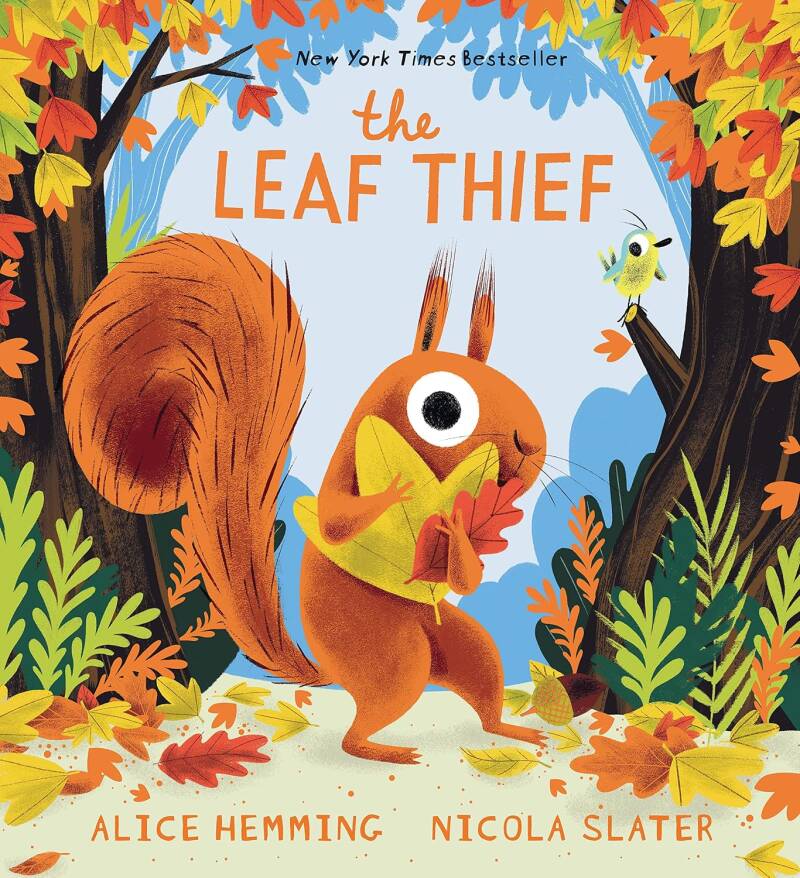
The Leaf Thief is such a fun way to kick off the fall season! Squirrel is very concerned when the leaves on his tree begin disappearing. Of course, readers quickly realize something Squirrel doesn't—the changing seasons are responsible.
The humor makes this one especially fun to read aloud, while the story provides opportunities to talk about making predictions, character feelings, seasonal changes, and cause and effect.
Discussion Questions
- Why does Squirrel think someone is stealing the leaves?
- How do Squirrel's feelings change throughout the story?
- What clues could help Squirrel figure out what is really happening?
- What causes leaves to fall from trees?
- What lesson does Squirrel learn?
Extension Activity: Have students create a cause-and-effect chart showing what happens to trees and leaves during fall. You could also have students write their own explanation to Squirrel about why his leaves are disappearing.
Add it to your classroom library: Amazon Affiliate Link – The Leaf Thief
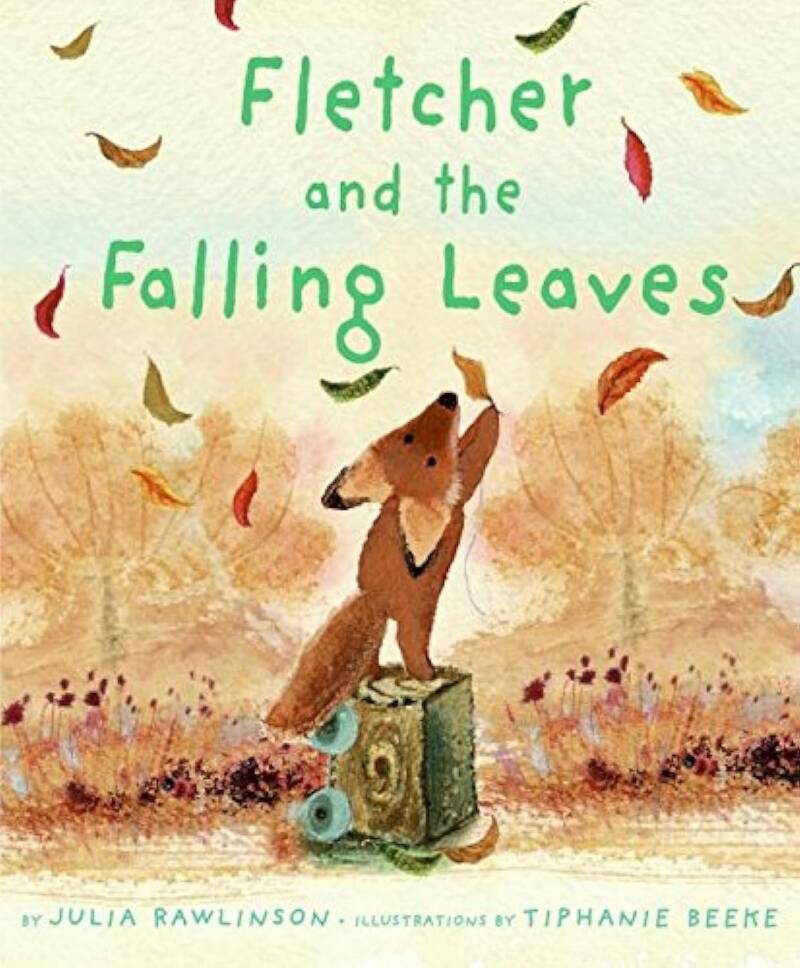
2. Fletcher and the Falling Leaves by Julia Rawlinson
Fletcher notices that his favorite tree is changing, and he desperately tries to protect its leaves. This sweet story is perfect for discussing change, emotions, descriptive language, and the beauty of the seasons.
The illustrations also make it a wonderful choice for slowing down and encouraging students to notice details.
Discussion Questions
- Why is Fletcher worried about the tree?
- How does Fletcher try to help?
- Why can't Fletcher stop the leaves from falling?
- How does Fletcher's thinking change by the end?
- What words would you use to describe Fletcher?
Extension Activity: Take students on a short fall observation walk. Have them record what they notice using their five senses. Back in the classroom, students can turn their observations into a descriptive fall paragraph or poem.
Find the book here: Amazon Affiliate Link – Fletcher and the Falling Leaves
3. The Scarecrow by Beth Ferry
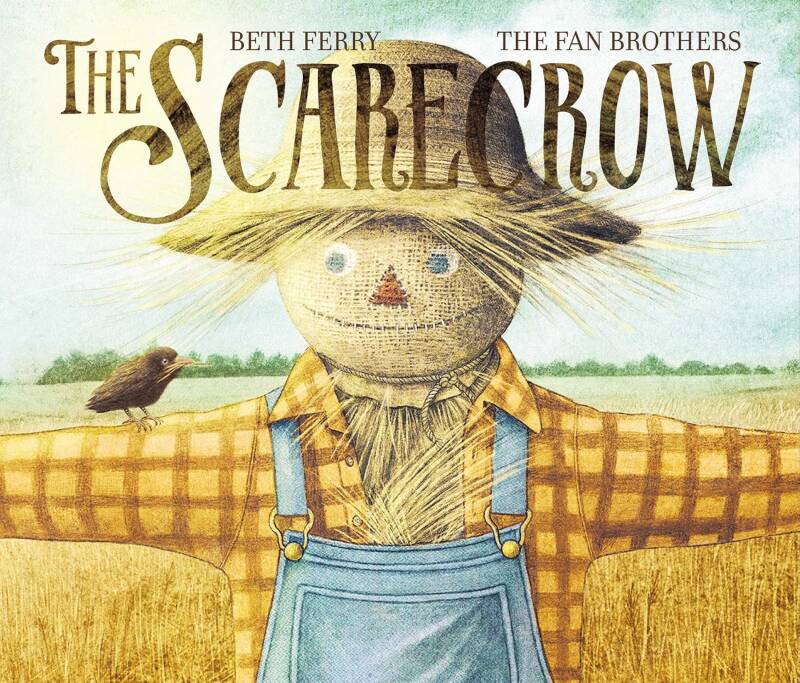
If you're looking for a beautiful fall story with a deeper message, The Scarecrow is a wonderful choice. The story follows a lonely scarecrow whose life changes when he helps a small crow.
It naturally leads into conversations about kindness, friendship, compassion, character development, and theme.
Discussion Questions
- How does Scarecrow feel at the beginning of the story?
- What causes Scarecrow to change?
- How does helping the crow affect Scarecrow?
- What examples of kindness do you notice?
- What do you think the author wants readers to learn from this story?
Extension Activity: Create a class "Kindness in Our Classroom" scarecrow. Students can write one way they can show kindness on individual paper leaves or pieces of straw and add them around the scarecrow.
Add it to your fall bookshelf: Amazon Affiliate Link – The Scarecrow
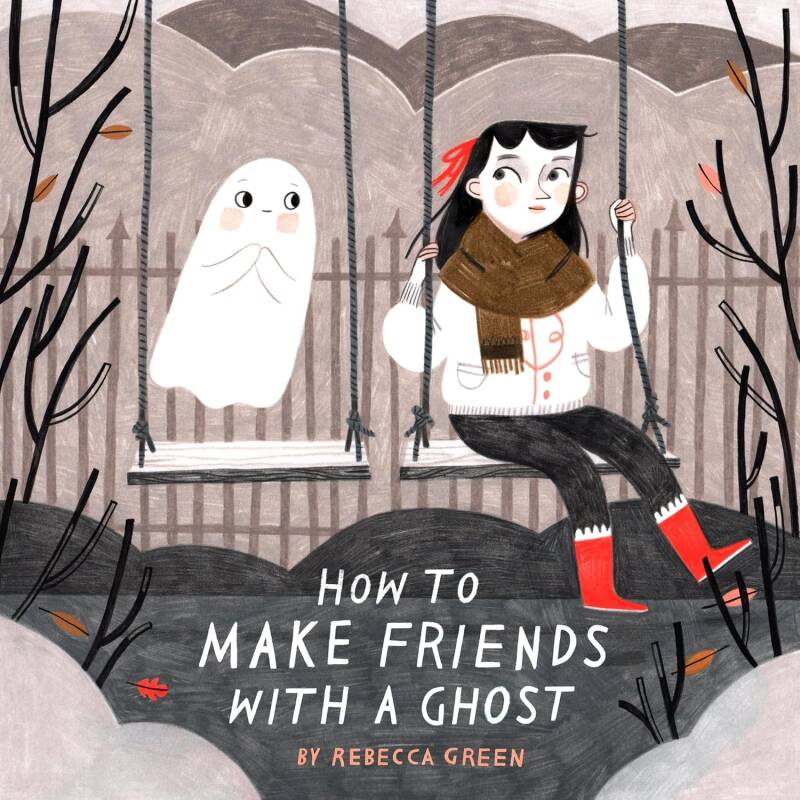
4. How to Make Friends with a Ghost by Rebecca Green
This one is perfect when you're getting closer to Halloween but still want a story that's more sweet than spooky.
Written almost like a guidebook, How to Make Friends with a Ghost combines adorable illustrations with a story about friendship. It's also a fun opportunity to explore text structure and author's purpose.
Discussion Questions
- Why do you think the author chose to write the book like a guide?
- What advice does the book give about being a good friend?
- Which piece of advice was your favorite?
- What details make the book funny?
- What do you think this story teaches us about friendship?
Extension Activity: Have students create their own mini guide titled "How to Be a Great Friend." Students can include three to five steps along with illustrations.
Find it here: Amazon Affiliate Link – How to Make Friends with a Ghost
5. Creepy Carrots! by Aaron Reynolds
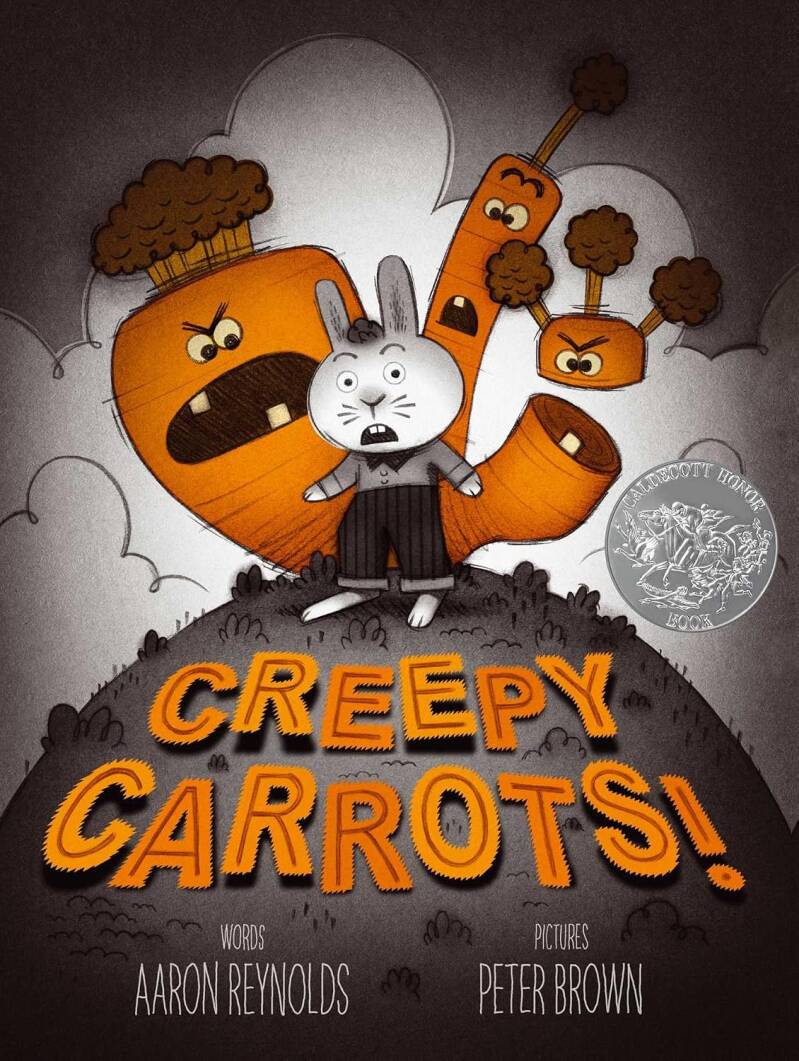
This is always a fun one! Jasper Rabbit loves eating carrots from Crackenhopper Field—until he starts thinking those carrots are following him.
Besides being hilarious, Creepy Carrots! is fantastic for making predictions, identifying problem and solution, analyzing character motivation, and discussing point of view.
Discussion Questions
- Why does Jasper think the carrots are following him?
- What evidence makes Jasper believe the carrots are real?
- How does Jasper try to solve his problem?
- Was Jasper's solution actually successful? Why or why not?
- How would the story be different if it were told from the carrots' point of view?
Extension Activity: Have students design their own "creepy vegetable" and write a short story about it. Creepy broccoli? Creepy potatoes? Creepy peas? This can turn into a really fun seasonal writing display!
Grab a copy for your classroom: Amazon Affiliate Link – Creepy Carrots!
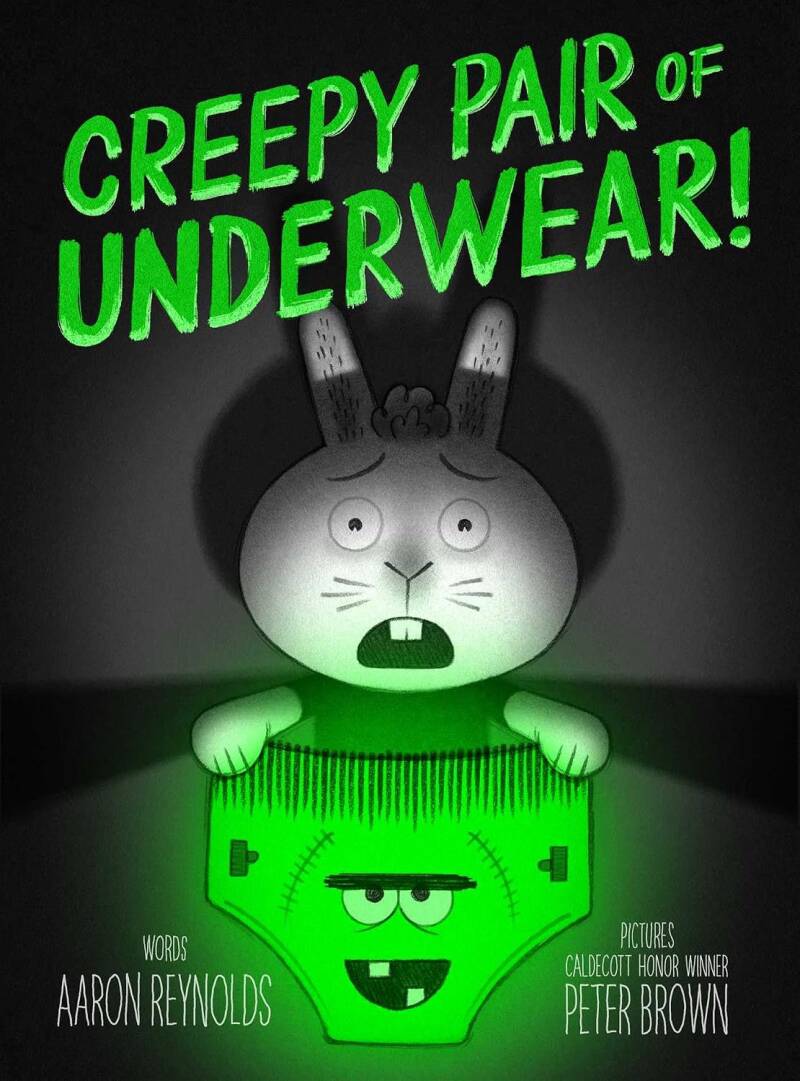
6. Creepy Pair of Underwear! by Aaron Reynolds
If your students enjoy Creepy Carrots!, this is an easy follow-up. Jasper is back, and this time he encounters a glowing pair of underwear that he just can't seem to get rid of.
Students tend to LOVE the silliness of this book, but there are plenty of opportunities for comprehension practice, too.
Discussion Questions
- How does Jasper feel about the underwear at the beginning?
- When do his feelings change?
- What solutions does Jasper try?
- Why don't his solutions work?
- What changes at the end of the story?
Extension Activity: Practice sequencing by having students identify Jasper's attempts to get rid of the underwear in order. Then challenge students to come up with one additional solution Jasper could have tried.
Find it here: Amazon Affiliate Link – Creepy Pair of Underwear!
7. Room on the Broom by Julia Donaldson
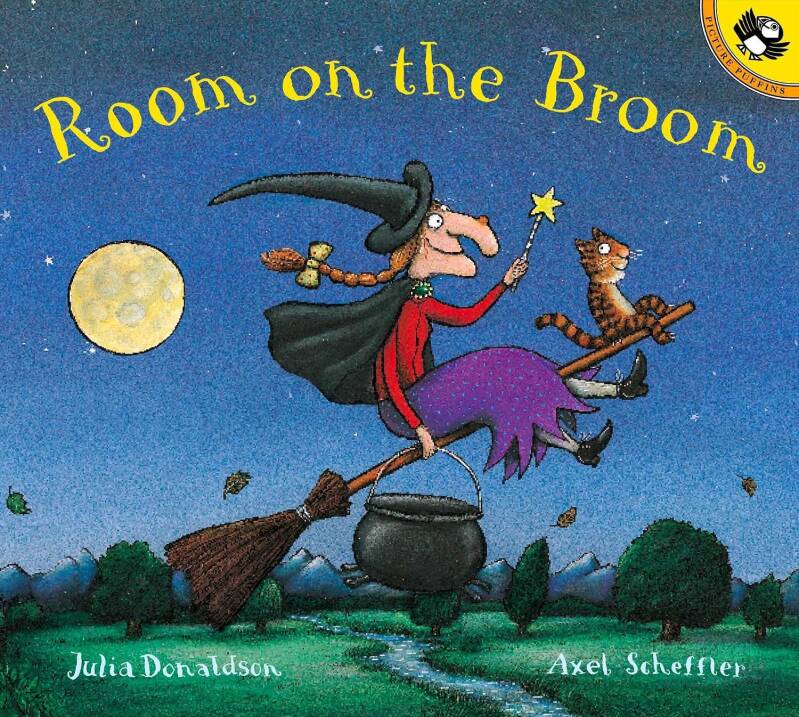
A witch and her cat are traveling on a broom when several helpful animals join their journey. Eventually, the broom becomes a little too crowded!
The rhyming text makes Room on the Broom incredibly fun to read aloud, and the story offers plenty of opportunities to discuss sequencing, character traits, cooperation, and kindness.
Discussion Questions
- What happens each time the witch loses something?
- How do the animals help the witch?
- How does the witch treat the animals?
- Why is teamwork important at the end of the story?
- What is one lesson we can learn from the characters?
Extension Activity: Give students the major events from the story and have them put them in chronological order. Older students could write a beginning-middle-end summary afterward.
Add it to your October read-aloud collection: Amazon Affiliate Link – Room on the Broom
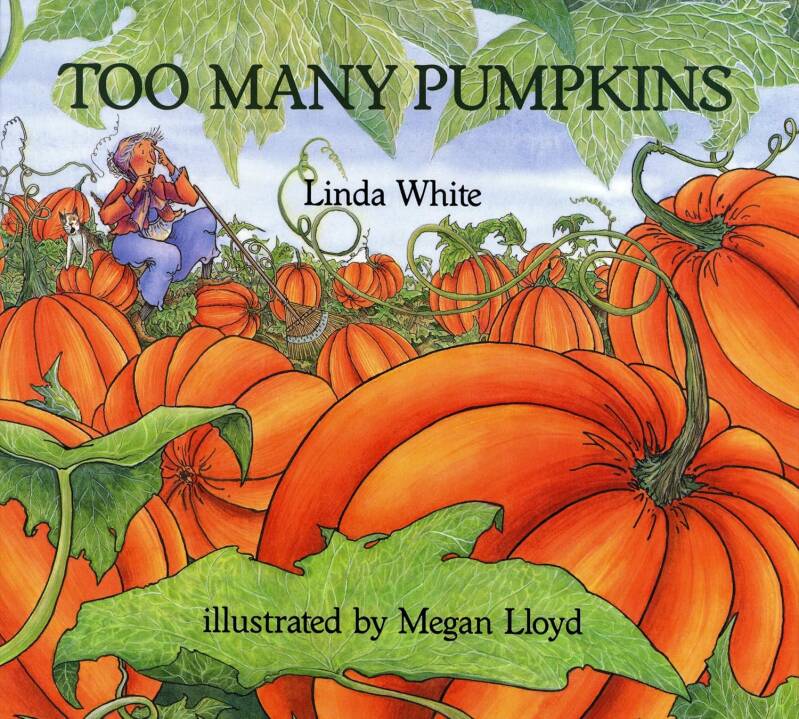
8. Too Many Pumpkins by Linda White
Rebecca Estelle doesn't like pumpkins because they remind her of difficult times from her childhood. But when a pumpkin falls into her yard and eventually produces an enormous crop, she has to figure out what to do with all those pumpkins.
This story works especially well for discussing problem and solution, character change, perseverance, and community.
Discussion Questions
- Why doesn't Rebecca Estelle like pumpkins at the beginning?
- What problem does she face?
- What are some ways she uses the pumpkins?
- How does her attitude change?
- What does the story show us about turning a problem into an opportunity?
Extension Activity: Challenge students to brainstorm as many uses for a pumpkin as possible. Then have them choose one and create a fictional advertisement convincing someone to try their pumpkin product.
Find the book here: Amazon Affiliate Link – Too Many Pumpkins
9. The Legend of Spookley the Square Pumpkin by Joe Troiano
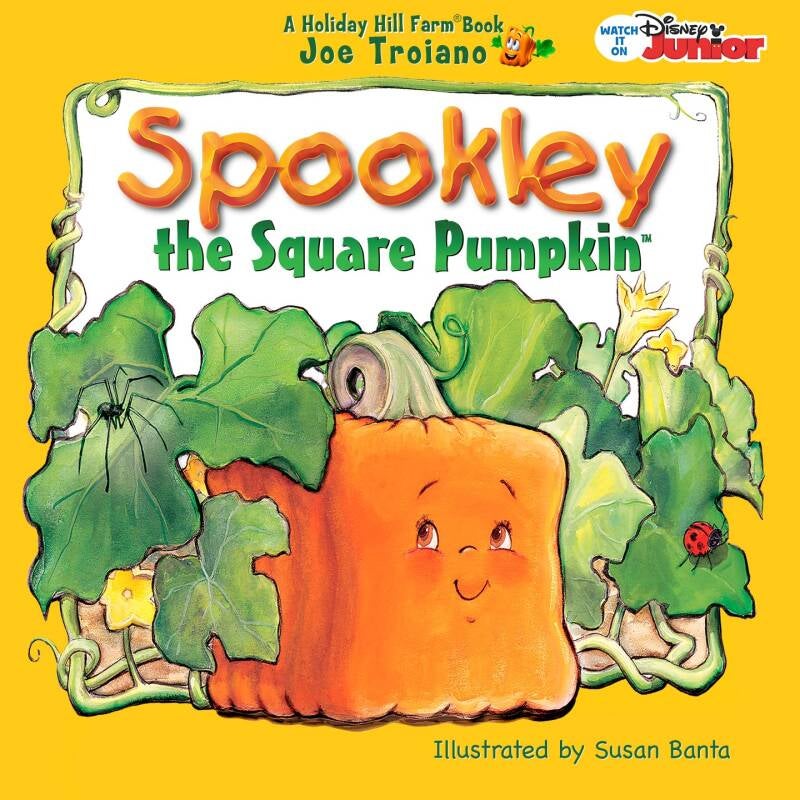
Spookley doesn't look like the other pumpkins in the patch—and the other pumpkins aren't always very kind about it. But being different turns out to be exactly what is needed when trouble arrives.
It's an easy seasonal connection to conversations about acceptance, kindness, differences, and character traits.
Discussion Questions
- How is Spookley different from the other pumpkins?
- How do the other pumpkins treat him at first?
- How does Spookley's difference become a strength?
- How do the other characters change?
- What lesson does the story teach?
Extension Activity: Give students a pumpkin outline and have them design a completely unique pumpkin. Inside or around the pumpkin, students can write qualities that make them unique or qualities of a great classmate.
Add Spookley to your fall collection: Amazon Affiliate Link – The Legend of Spookley the Square Pumpkin
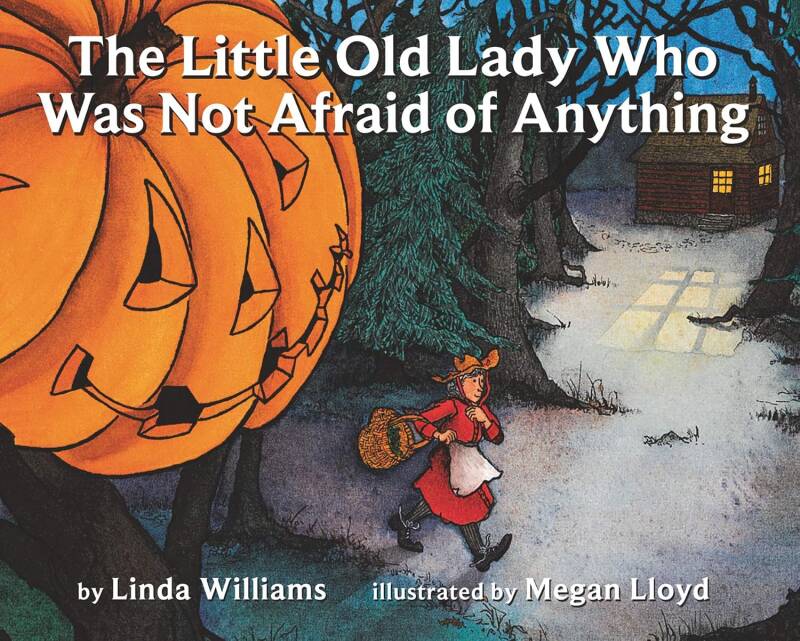
10. The Little Old Lady Who Was Not Afraid of Anything by Linda Williams
This classic is especially fun because students can participate as you read. A little old lady encounters shoes, pants, a shirt, gloves, a hat, and eventually a pumpkin head as she walks home.
The repetitive structure makes it great for sequencing, prediction, retelling, and identifying patterns in a text.
Discussion Questions
- What pattern do you notice throughout the story?
- What do you predict the little old lady will encounter next?
- How does she respond when she becomes frightened?
- How does she solve the problem?
- How does repetition affect the story?
Extension Activity: Have students create a sequencing strip with the objects the little old lady encounters. For an extra challenge, students can retell the entire story using their sequence as a guide.
Find it here: Amazon Affiliate Link – The Little Old Lady Who Was Not Afraid of Anything
11. We’re Going on a Leaf Hunt by Steve Metzger

If you're looking for something especially seasonal, We're Going on a Leaf Hunt combines an autumn adventure with opportunities to learn about different types of trees and leaves.
It's a great choice for connecting reading and science.
Discussion Questions
- What types of leaves do the characters find?
- What similarities and differences do you notice between the leaves?
- How does the setting change throughout the story?
- What signs of fall do you notice?
- What information did you learn from the book?
Extension Activity: Go on your own classroom leaf hunt! Students can collect or observe different leaves and sort them by characteristics such as size, shape, color, or edges. Follow it up with a short informational writing piece about fall leaves.
Add it to your fall read-alouds: Amazon Affiliate Link – We're Going on a Leaf Hunt
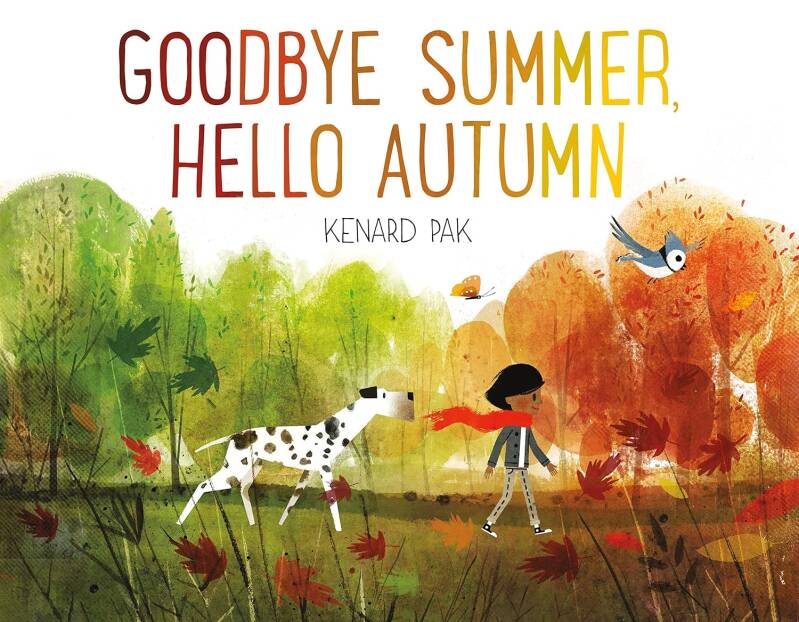
12. Goodbye Summer, Hello Autumn by Kenard Pak
For a calmer fall read-aloud, this beautifully illustrated story follows a child noticing the subtle changes happening as summer turns into autumn.
It's perfect for observations, seasonal changes, descriptive writing, and noticing details in illustrations.
Discussion Questions
- What changes does the character notice?
- What clues show that autumn is approaching?
- How do the illustrations help tell the story?
- What sights and sounds are associated with fall?
- What changes have you noticed outside during fall?
Extension Activity: Create a "Goodbye Summer, Hello Fall" T-chart. Students can compare the two seasons before writing a paragraph explaining how the environment changes from summer to fall.
Find it here: Amazon Affiliate Link – Goodbye Summer, Hello Autumn
Turn Your Fall Read-Alouds Into Meaningful Reading Practice
One of my favorite things about seasonal read-alouds is that they don't have to be "just for fun." A great picture book can become a quick mini-lesson without taking away the enjoyment of the story.
Depending on the book, you can easily practice skills such as:
- Making predictions
- Sequencing events
- Retelling and summarizing
- Character traits
- Character change
- Problem and solution
- Cause and effect
- Main idea and supporting details
- Theme and author's message
- Author's purpose
- Making inferences
- Comparing and contrasting
- Using text evidence
You don't need a worksheet for every book, either. Sometimes a few thoughtful questions, a Turn & Talk, or a five-minute response in a reading notebook is all you need.
Create a Fall Read-Aloud Basket 🍁
Another simple way to build excitement is to create a fall read-aloud basket in your classroom library.
Add several seasonal books along with a few fall-themed bookmarks, leaves, mini pumpkins, or other classroom-safe decorations. Keep the basket somewhere students can see it and choose a few books to read throughout September, October, and November.
You can also make some of the books available for independent reading after you've read them aloud. Students LOVE returning to familiar read-alouds during their own reading time.
If you're building your collection, you can find the books mentioned throughout this post using the links above. Shop My Favorite Fall Classroom Books – Amazon Affiliate Link
Which Fall Read-Aloud Will You Choose? 🍂
Whether you're reading about disappearing leaves, creepy carrots, square pumpkins, or unlikely friendships, fall is full of opportunities to bring engaging stories into your classroom.
Choose a book, gather your students on the carpet, and enjoy one of the best parts of the school day—reading a great story together.
And remember: you don't have to turn every read-aloud into a huge lesson. Sometimes the conversations that happen naturally after a wonderful book are exactly what your students need.
Happy fall reading! 🍁📚
Add comment
Comments