

We all know how important it is for children to read at home. But what happens after they close the book can be just as valuable as the reading itself.
One of the simplest ways parents can support reading comprehension at home is by talking about what their child is reading. And it doesn't have to feel like a quiz!
A quick conversation in the car, while making dinner, or right after reading can help children practice important comprehension skills like retelling, making predictions, identifying the main idea, making inferences, and explaining their thinking.
The best part? You don't need to have read the book yourself.
These 25 questions can be used with almost any book your child brings home. Choose just one or two each night to turn reading time into a meaningful conversation.
This reading log from my TPT store can help parents or teachers guide children in recording their thoughts and building important reading comprehension skills. Parents can also implement a children's reading journal at home to encourage children to reflect on what they read. A simple reading journal can also give children a place to jot down their thoughts, favorite parts, new vocabulary words, or questions after reading.

You can find this adorable Reading Journal for Kids through this link: https://amzn.to/4wWBuCq
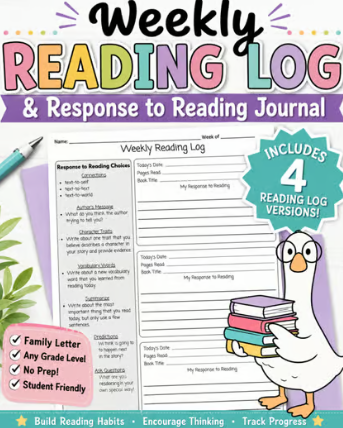
This reading log resource is available for purchase on my TPT store. You can find it here: Reading Log and Response to Reading.
Why Ask Questions After Reading?
Reading is about so much more than saying the words on the page.
As children become stronger readers, they need to think about what they're reading, make connections, notice important details, and explain their ideas using evidence from the text.
Talking about books gives children an opportunity to practice those skills without another worksheet or assignment.
Parents also don't need to ask every question every time their child reads. In fact, one thoughtful question can lead to a much better conversation than ten rapid-fire questions.
Try asking a question and then following it with:
"What makes you think that?"
That simple follow-up encourages children to explain their thinking and return to the text for evidence.
Questions About Fiction Books
When your child is reading a story, try questions that get them talking about the characters, setting, problem, important events, and lesson.
If you're looking to add more books to your child's reading routine, keeping a small selection of high-interest chapter books, picture books, graphic novels, and book series available at home can make independent reading much more inviting.
1. Who are the main characters?
Ask your child to identify the most important character or characters in the story. Follow up by asking what they have learned about them so far.
2. Where and when does the story take place?
This helps children identify the setting and think about how it affects the story.
3. What is the main problem in the story?
Identifying the problem helps children understand the overall structure of a story.
4. How was the problem solved?
If your child hasn't finished the book yet, turn this into a prediction: How do you think the problem will be solved?
5. What was the most important event in the story?
Encourage your child to explain why they think that event was particularly important.
6. How did the main character change?
Did the character learn something? Change their mind? Become braver? Fix a mistake? This is a great way to get children thinking beyond basic recall.
7. How was the character feeling? How do you know?
Encourage your child to look for clues in the character's words, actions, thoughts, or illustrations.
8. What lesson did the character learn?
This question can help children begin thinking about the theme or moral of a story.
9. What do you think the author wants readers to learn from this story?
There may be more than one reasonable answer! Encourage your child to explain their thinking.
10. If you could change one part of the story, what would you change?
This is a fun question that still requires children to think carefully about what happened in the text.
My Book Recommendations:
Questions About Informational Books
Reading nonfiction requires children to use a slightly different set of comprehension skills. Instead of focusing on characters and problems, encourage them to think about topics, facts, main ideas, and supporting details.
Nonfiction books are also a great way to encourage reluctant readers. If your child isn't interested in traditional stories, try finding books about something they already love—animals, dinosaurs, space, sports, weather, science, history, or another favorite topic.
11. What is this book mostly about?
This is a simple way to begin talking about the topic or main idea.
12. What are three important things you learned?
Encourage your child to choose information that seems important rather than simply naming three random facts.
13. What was the most interesting fact you learned?
Let your child take the lead here! Sometimes the tiny details that fascinate children are what make nonfiction reading memorable.
14. What is the main idea of this section?
For longer informational books, you don't need to discuss the entire text. Choose a page, section, or chapter instead.
15. What details support the main idea?
This helps children understand the relationship between a main idea and supporting details.
16. Did you learn anything that surprised you?
Ask your child to explain why the information was surprising.
17. What text features helped you understand the topic?
Depending on the book, your child might notice:
- Headings
- Photographs
- Captions
- Diagrams
- Maps
- Charts
- Bold words
- Glossaries
- Tables of contents
This is a wonderful way to remind children that informational readers get meaning from more than just the paragraphs on the page.
Questions You Can Ask About Almost ANY Book
These questions work well with both fiction and nonfiction books.
18. What was your favorite part? Why?
The important part isn't necessarily which part they choose—it's explaining why they chose it.
19. What was confusing?
Children sometimes assume good readers understand everything immediately. They don't! Strong readers recognize when something doesn't make sense and use strategies to figure it out.
20. What do you predict will happen next?
If your child hasn't finished the book, ask them to make a prediction using clues from what they've already read.
21. Did anything remind you of another book?
Making connections between texts helps children compare characters, topics, events, themes, and ideas.
22. Did anything remind you of something you've experienced?
Personal connections can help children make meaning from what they read.
23. What new word did you notice?
Ask your child what they think the word means and what clues helped them figure it out.
Having an age-appropriate dictionary nearby can be helpful when children encounter unfamiliar words. Encourage them to use context clues first and then look up the word to check their thinking.
Amazon Affiliate Link: Children's dictionary
24. What question would you ask the author?
This encourages curiosity and deeper thinking about the text.
25. What evidence from the book supports your thinking?
This might be my favorite question on the entire list! Instead of stopping after an answer, encourage your child to explain how they know. They might point to a sentence, describe something a character did, refer to an illustration, or explain a fact they learned.
The goal isn't necessarily for children to quote the book word-for-word. It's to help them develop the habit of supporting their ideas with information from what they've read.
Make Reading at Home More Inviting
Sometimes getting children to talk about reading starts with simply making reading time something they enjoy.
You don't need an elaborate home library or Pinterest-perfect reading nook. A comfortable spot, good lighting, and easy access to books can make a big difference.
A few simple additions can help create a cozy reading space:
- Take a Look at This Cozy Kids' Reading Pillow
- Brighten Reading Time with a Clip-On Book Light
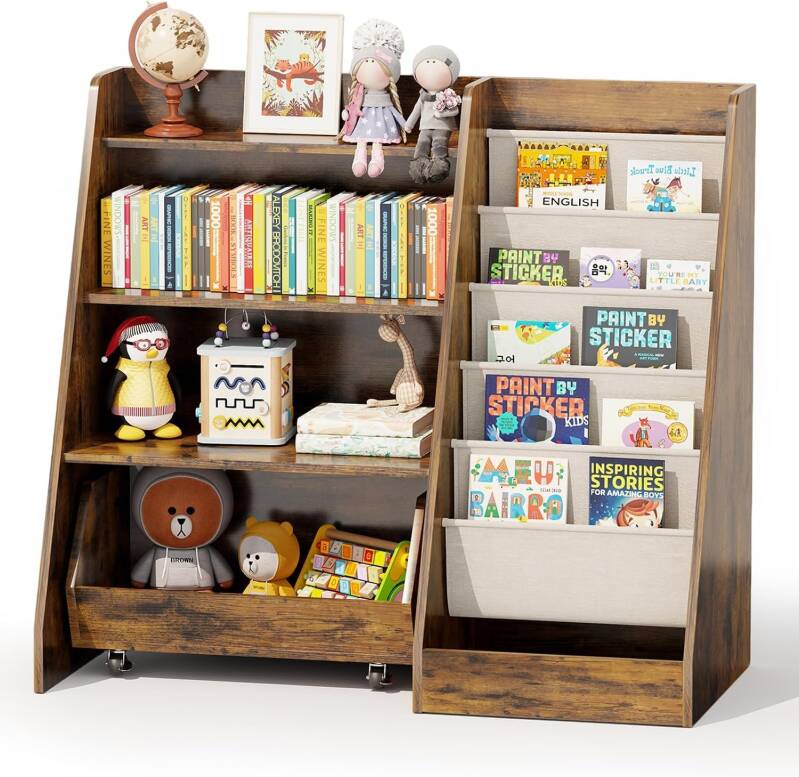
- Organize Favorite Books with a Children's Bookshelf
- Make Reading More Fun with Colorful Bookmarks
- Help Build a Consistent Reading Routine with a Kid-Friendly Timer
Letting children have some ownership over their reading space can make it even more exciting. Allow them to choose where their books go, pick out a bookmark, or choose a special reading light.
Don't Forget About Audiobooks!
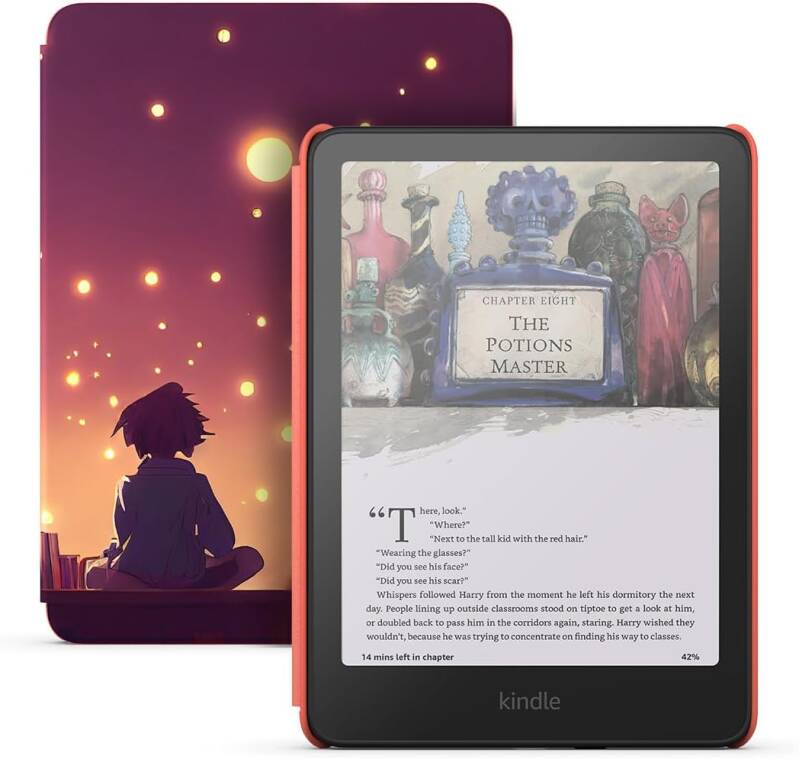
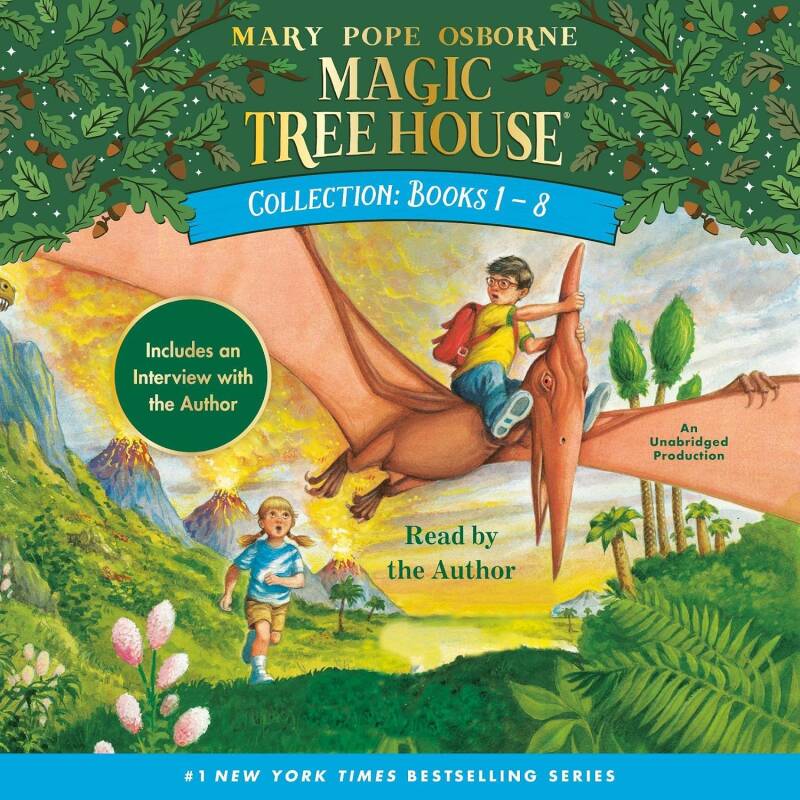
Listening to books can also create wonderful opportunities for comprehension conversations. After listening to a chapter or story together, try asking one of the same 25 questions. Audiobooks can be especially helpful during car rides, quiet time, or family routines.
You can even have your child follow along in a physical copy of the book while listening to the audiobook.

Keep Reading Conversations Simple
You definitely don't need to pull out this list and ask all 25 questions after every reading session. That would turn reading time into an interrogation pretty quickly!
Instead, pick one or two questions that fit the book your child is currently reading. You might simply say: "Tell me about what you read tonight." Then use one of these questions to keep the conversation going.
If your child gives a one-word answer, try following up with:
"Tell me more."
"Why do you think that?"
"What happened in the book that makes you think that?"
"Can you show me where you found that?"
These little prompts encourage children to explain their thinking without making the conversation feel like a test.
Create a Simple Reading Routine at Home
If reading homework is part of your child's routine, keeping everything together can make evenings a little easier.
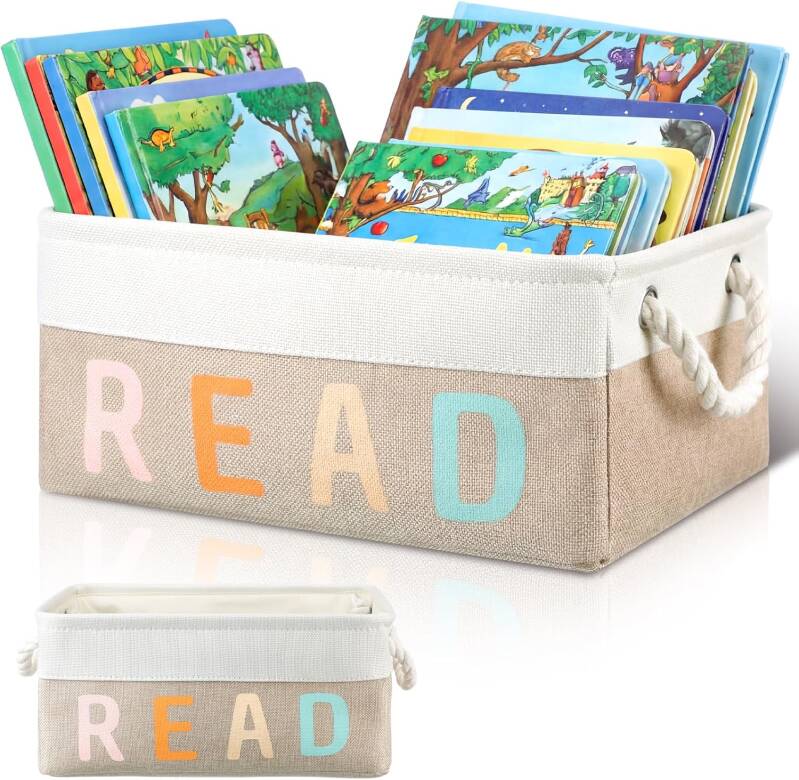
Consider creating a small reading basket with everything your child might need:
- Their current book
- Reading journal
- Pencil
- Bookmark
- Sticky notes
- Highlighter, if appropriate
- Dictionary
- Reading question sheet
Instead of searching for supplies every night, your child can grab the basket and get started.
A Note for Parents
You don't have to be a reading teacher to help your child become a stronger reader. You also don't have to know all of the answers.
In fact, sometimes saying "I don't know, let's look back in the book and figure it out together" can model exactly what strong readers do.
Keep reading conversations positive, celebrate your child's ideas, and encourage them to explain their thinking.
A few minutes of meaningful conversation after reading can go a long way toward helping children understand that reading isn't just about finishing a book.
It's about thinking about what we read.
So tonight, after your child closes their book, try asking just one question: "What did you read about?"
Then see where the conversation takes you.
Disclosure: This post may contain affiliate links. If you make a purchase through one of these links, I may earn a small commission at no additional cost to you. I only share products and resources that I believe may be helpful to teachers, parents, and students.
Add comment
Comments