

Kindness is one of those things we talk about all year long in elementary classrooms. We remind students to use kind words, include others, help their classmates, and think about how their actions make other people feel. But sometimes, the best way to help students truly understand kindness is through a great story.
Picture books give students a chance to see kindness in action. They can help children recognize how even small choices can make someone feel included, supported, and valued. They also open the door to meaningful conversations about friendship, empathy, compassion, and what it means to be part of a caring classroom community.
Whether you're planning a kindness lesson, looking for a meaningful morning meeting read aloud, celebrating World Kindness Day, or simply adding more social-emotional learning books to your classroom library, these are some of my favorite books about kindness for elementary students.
Affiliate Disclosure: This post contains Amazon affiliate links. If you make a purchase through one of these links, I may earn a small commission at no additional cost to you. Thank you for supporting my small business!
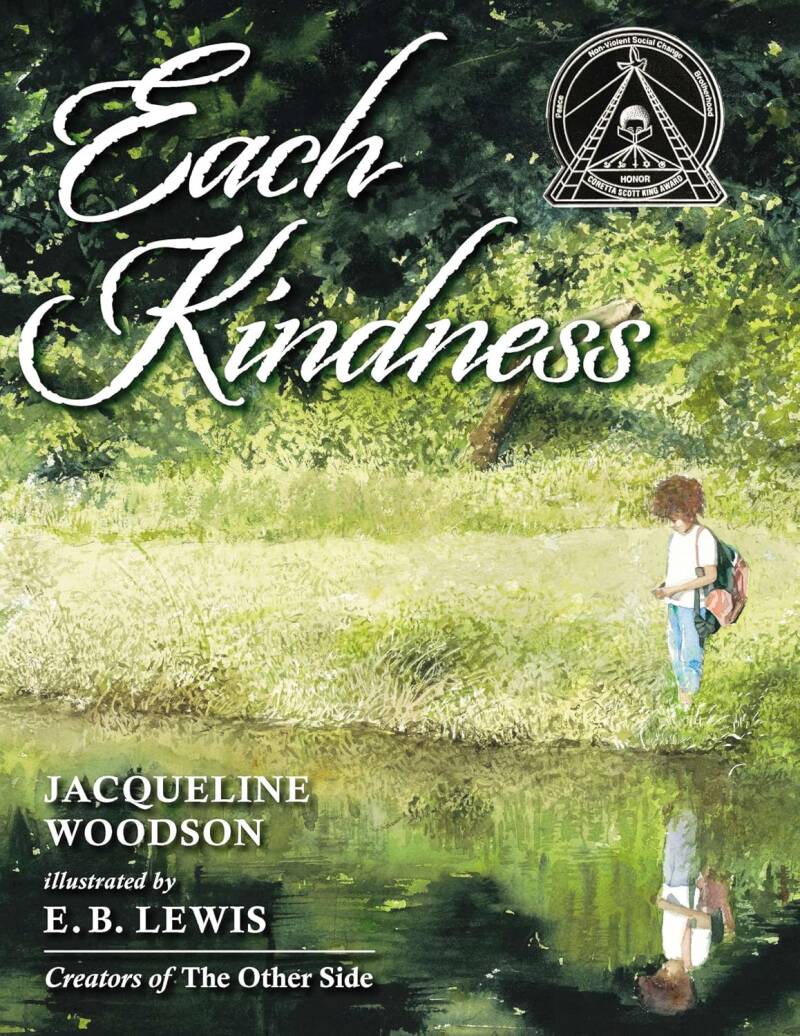
1. Each Kindness by Jacqueline Woodson
Recommended Grades: 1–5
Shop the Book:
📚 Hardcover: https://amzn.to/4g6s9Bt
📱Kindle: https://amzn.to/3TSbqdW
Each Kindness is a powerful story about Chloe, a young girl who repeatedly chooses not to include the new student, Maya. When Maya stops coming to school, Chloe realizes she may never get the opportunity to show her the kindness she deserved.
Why Teachers Love It
This book goes deeper than simply telling children to "be nice." It helps students think about missed opportunities for kindness and how their choices affect other people.
The story is especially meaningful because everything isn't perfectly resolved at the end. That creates an opportunity for thoughtful classroom conversations about regret, empathy, exclusion, and choosing kindness when we have the chance.
Great for teaching: empathy, inclusion, friendship, consequences, reflection, and kindness.
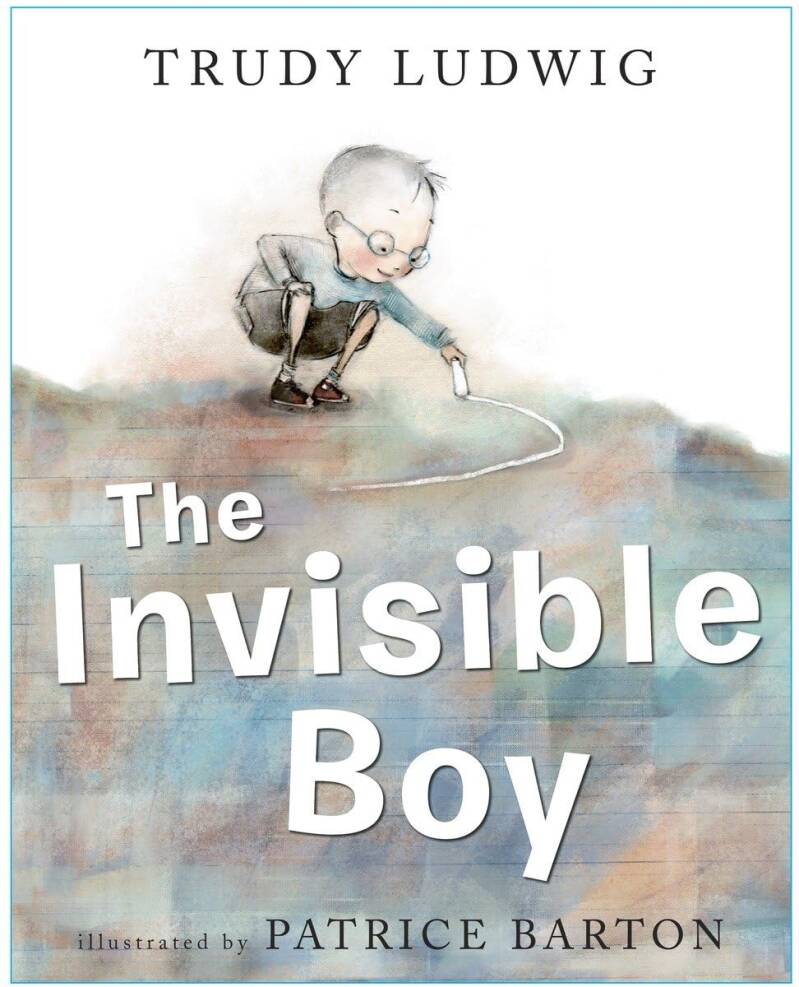
2. The Invisible Boy by Trudy Ludwig
Recommended Grades: K–3
Shop the Book:
📚 Hardcover: https://amzn.to/4zdRjXG
📱 Kindle: https://amzn.to/4idHMJY
Brian feels invisible in his classroom. He isn't chosen for teams, isn't included in conversations, and often goes unnoticed by the other students. But when a new student arrives, a small act of kindness begins to change things.
Why Teachers Love It
The Invisible Boy is an excellent book for helping students notice classmates who may be feeling left out.
It encourages children to think beyond obvious acts of kindness and recognize that simply inviting someone to play, choosing a new partner, sitting beside someone, or starting a conversation can make a huge difference.
It's also a wonderful read aloud for discussing how to create a classroom where everyone feels like they belong.
Great for teaching: inclusion, friendship, empathy, belonging, and noticing others.
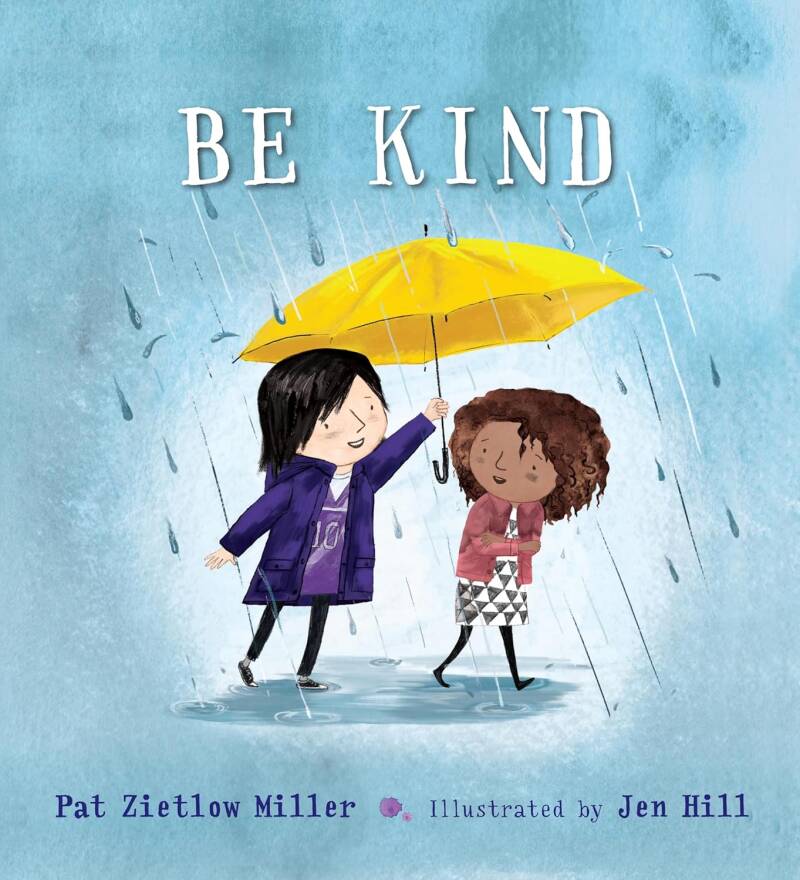
3. Be Kind by Pat Zietlow Miller
Recommended Grades: K–3
Shop the Book:
📖 Paperback: https://amzn.to/3ScrlDk
📚 Hardcover: https://amzn.to/4x1gnjh
📱 Kindle: https://amzn.to/4i6x5ZI
What does it actually mean to be kind?
In Be Kind, a young girl begins thinking about that question after seeing a classmate experience an embarrassing moment. She considers all the different ways kindness can show up in everyday life.
Why Teachers Love It
One of my favorite things about this book is how practical it makes kindness feel for young students.
Kindness doesn't always have to be a huge gesture. It might mean helping someone, including someone, listening, giving a compliment, or simply noticing when another person needs support.
After reading, students can brainstorm their own small acts of kindness they could complete at school, at home, or in their community.
Great for teaching: everyday kindness, empathy, helping others, classroom community, and friendship.
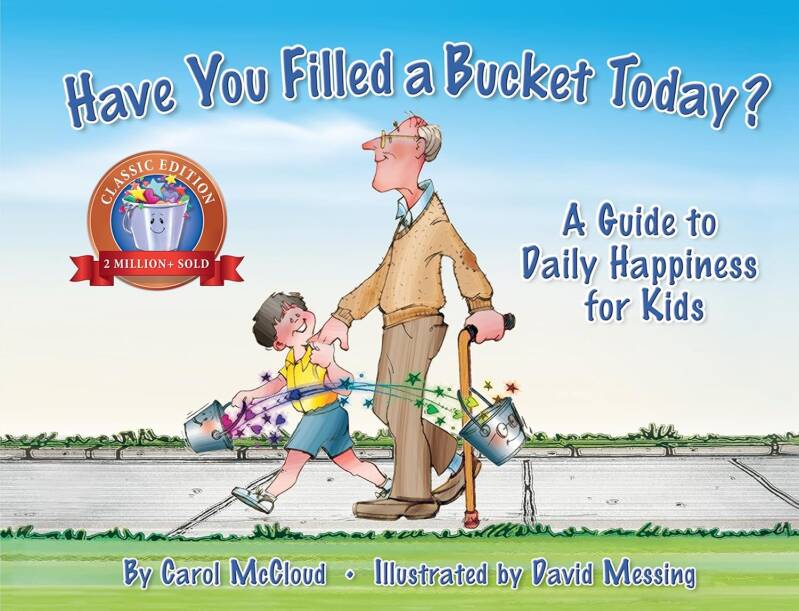
4. Have You Filled a Bucket Today? by Carol McCloud
Recommended Grades: PreK–3
Shop the Book:
📖 Paperback: https://amzn.to/4gcH6SA
📚 Hardcover: https://amzn.to/4hySkmO
📱 Kindle: https://amzn.to/4ql6Gd0
Have You Filled a Bucket Today? introduces children to the idea that everyone carries an invisible bucket. Kind actions can help fill someone's bucket, while hurtful actions can empty it.
Why Teachers Love It
The bucket-filling concept gives younger students an easy way to visualize something that can otherwise feel abstract.
Even better, you can continue using the language long after you've finished the book. Students can look for opportunities to "fill someone's bucket" throughout the school day.
You could even create a classroom bucket-filling challenge or have students write notes recognizing acts of kindness they notice from their classmates.
Great for teaching: positive behavior, kindness, compliments, helping others, and classroom community.
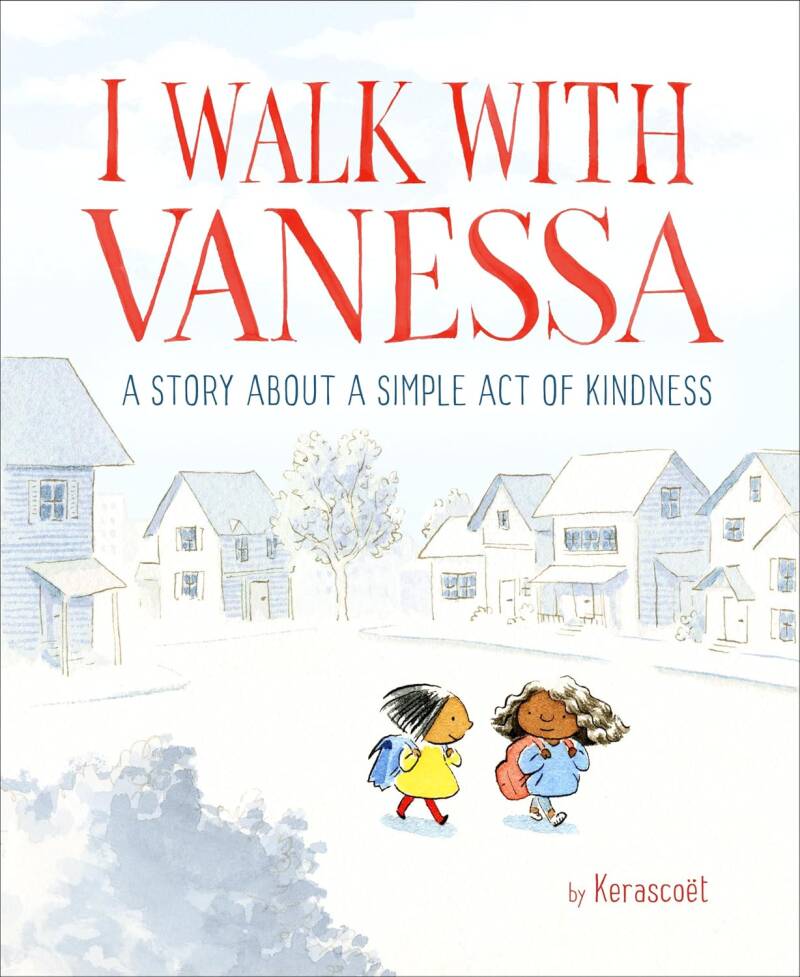
5. I Walk with Vanessa by Kerascoët
Recommended Grades: K–4
Shop the Book:
📚 Hardcover: https://amzn.to/4xFfnRN
📱 Kindle: https://amzn.to/4fWk2bY
I Walk with Vanessa is a nearly wordless picture book about a child who witnesses another student being treated unkindly and decides to do something about it.
One simple act of support grows into something much bigger.
Why Teachers Love It
Because the story is told primarily through illustrations, students have to carefully observe the characters' expressions, actions, and body language.
That makes this an excellent book for discussion.
Teachers can ask students what they notice, how they think each character feels, and what they might do if they witnessed something similar.
It's especially useful when talking about the difference between being a bystander and choosing to help someone.
Great for teaching: standing up for others, bullying prevention, empathy, courage, and community.
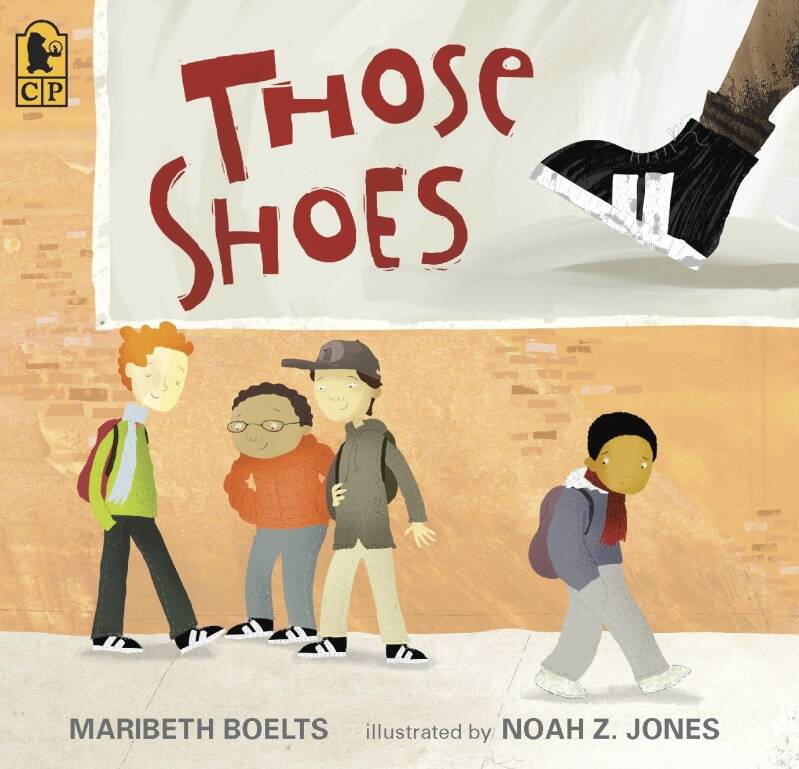
6. Those Shoes by Maribeth Boelts
Recommended Grades: 1–4
Shop the Book:
📖 Paperback: https://amzn.to/4i2z4OM
📚 Hardcover: https://amzn.to/4wtAHbR
📱 Kindle: https://amzn.to/4zj1IRZ
Jeremy wants the same popular shoes that many of the other kids at school are wearing. Unfortunately, his family can't afford them.
The story explores wants versus needs while ultimately showing students the value of generosity and caring about someone else's needs.
Why Teachers Love It
Those Shoes provides an opportunity to talk about kindness and empathy while also exploring topics students encounter in real life, including fitting in, wanting what others have, and recognizing that families have different circumstances.
It encourages students to look beyond what someone owns and think about how they can show generosity toward others.
Great for teaching: empathy, generosity, wants vs. needs, gratitude, friendship, and perspective-taking.
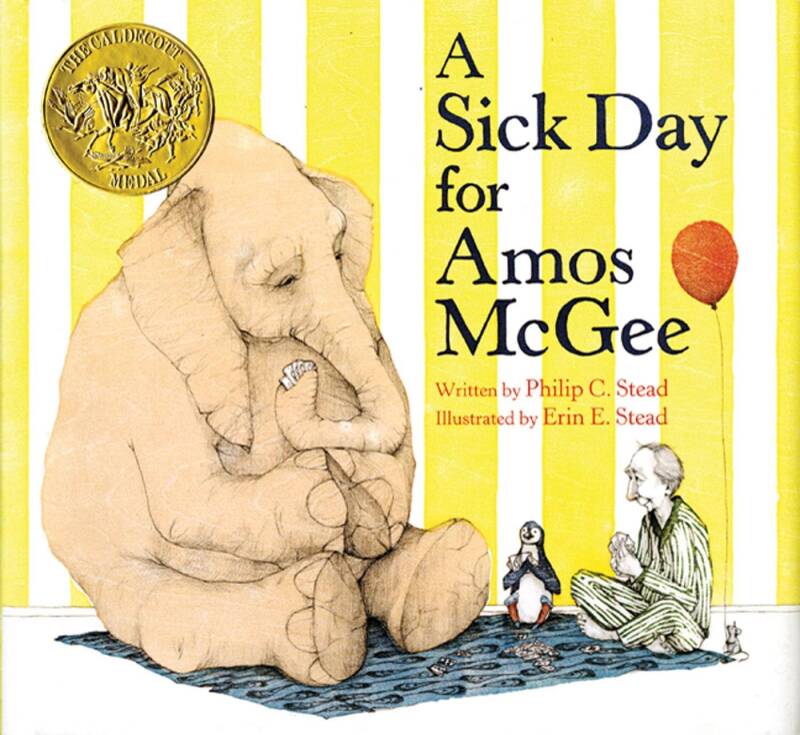
7. A Sick Day for Amos McGee by Philip C. Stead
Recommended Grades: PreK–2
Shop the Book:
📖 Paperback: https://amzn.to/4i9qaPr
📚 Hardcover: https://amzn.to/4bKe37M
Amos McGee spends his days caring for his animal friends at the zoo. When Amos gets sick and can't visit them one day, the animals decide it's their turn to take care of him.
Why Teachers Love It
This gentle story gives young students a beautiful example of what friendship and kindness can look like.
It can lead to conversations about noticing when someone needs help, showing friends that we care, and finding simple ways to support the people around us.
It's especially sweet for younger elementary students and makes a wonderful addition to a classroom kindness or friendship unit.
Great for teaching: friendship, caring, helping others, compassion, and reciprocity.
8. Last Stop on Market Street by Matt de la Peña
Recommended Grades: K–3
Shop the Book:
📖 Paperback: https://amzn.to/4cmWIBT
📚 Hardcover: https://amzn.to/4wZbmrd
📱 Kindle: https://amzn.to/4wUZ9UB
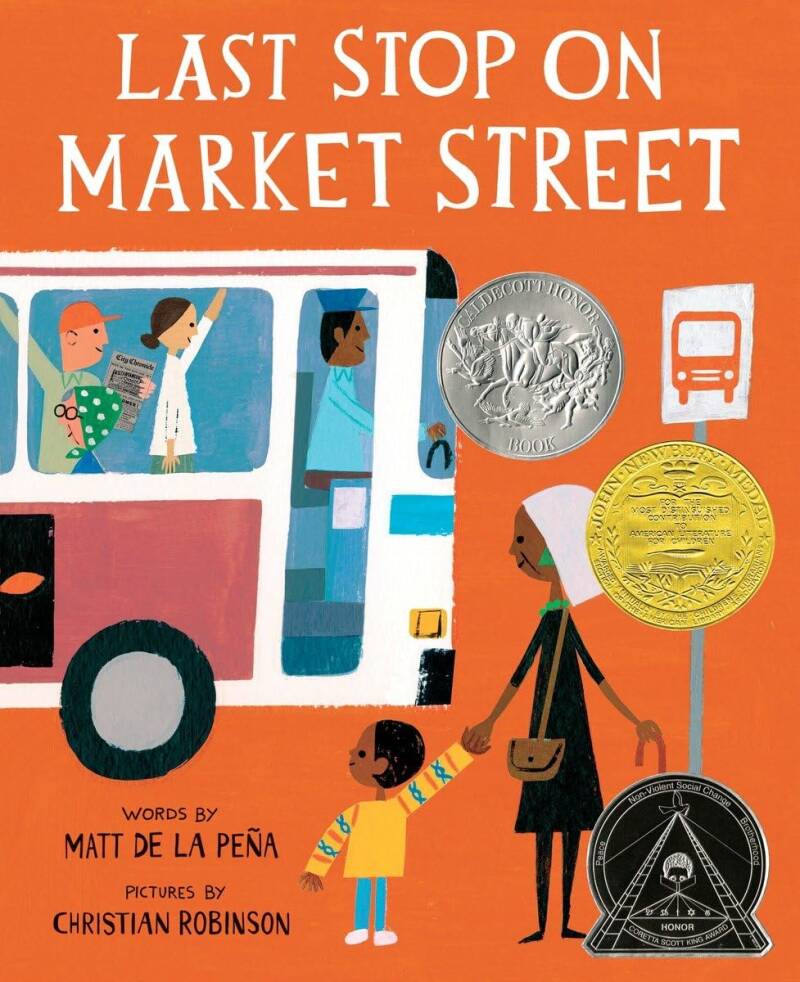
CJ and his grandmother ride the bus across town after church. Along the way, CJ asks questions about the things they don't have, while his grandmother helps him notice the beauty and goodness surrounding them.
Their trip ultimately leads them to a place where they can serve others.
Why Teachers Love It
This book encourages students to think about kindness beyond the walls of their classroom.
It opens up conversations about gratitude, community, helping others, and recognizing value in people and places that may be different from our own experiences.
It's a wonderful choice when you want students to think about how kindness can extend into their families and communities.
Great for teaching: gratitude, community, compassion, service, and perspective.
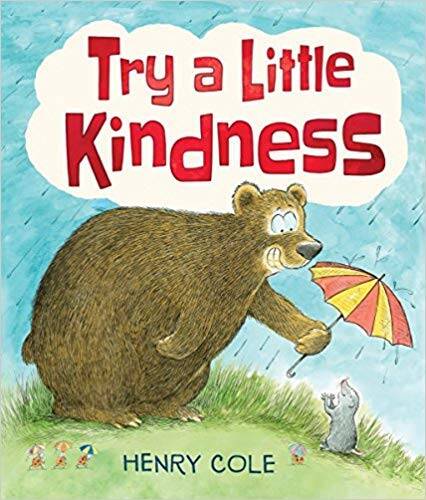
9. Try a Little Kindness by Henry Cole
Recommended Grades: PreK–2
Shop the Book:
📖 Paperback: https://amzn.to/4zgbVyD
📚 Hardcover: https://amzn.to/4wuoa89
📱 Kindle: https://amzn.to/4wuoa89
Try a Little Kindness introduces young readers to simple ways they can show kindness in their everyday lives.
Through playful illustrations and relatable examples, students see that kindness can be as simple as sharing, helping, using good manners, or including someone.
Why Teachers Love It
This is a great choice for younger elementary students because the examples of kindness are concrete and easy to understand.
Instead of talking about kindness as a big, abstract idea, students see specific actions they can actually try.
After reading, challenge your students to choose one act of kindness they can complete before the end of the school day.
Great for teaching: manners, sharing, helping, friendship, and everyday acts of kindness.
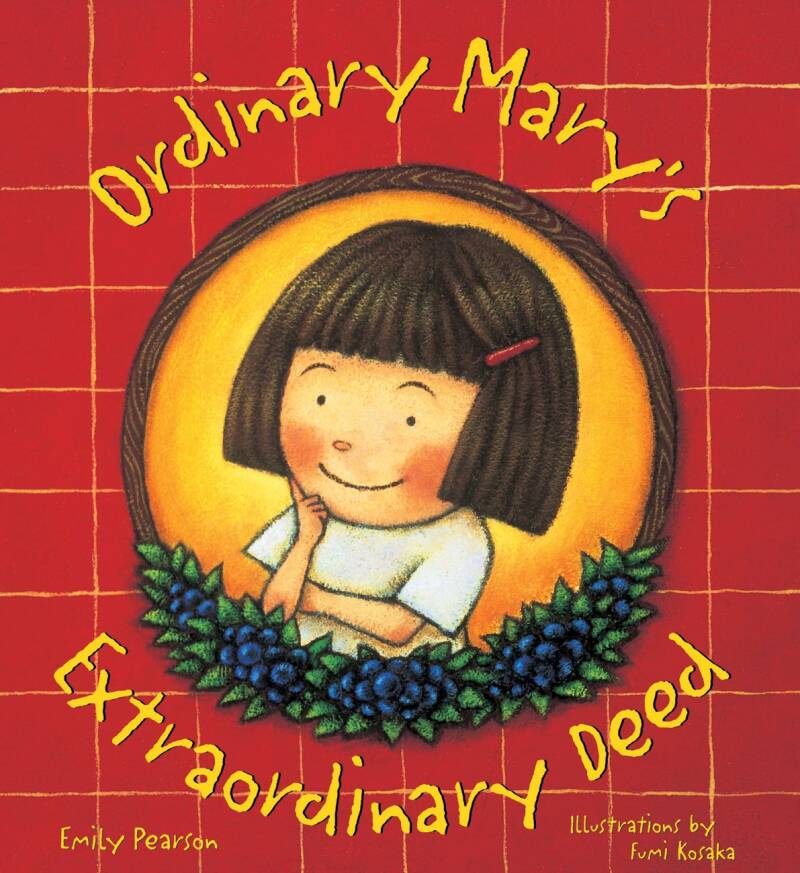
10. Ordinary Mary's Extraordinary Deed by Emily Pearson
Recommended Grades: K–3
Shop the Book:
📖 Paperback: https://amzn.to/4wwXQdF
📚 Hardcover: https://amzn.to/4zgRQIf
📱 Kindle: https://amzn.to/45qG1Sk
One ordinary act of kindness begins a chain reaction that spreads from person to person.
The story demonstrates how something that seems small can have a much larger impact than we ever realize.
Why Teachers Love It
This book is perfect for showing students the ripple effect of kindness.
One person does something thoughtful for another person, who is then inspired to do something kind for someone else.
Teachers can easily extend the story into a classroom kindness challenge and encourage students to see how many acts of kindness they can inspire.
Great for teaching: random acts of kindness, community, generosity, compassion, and the ripple effect.
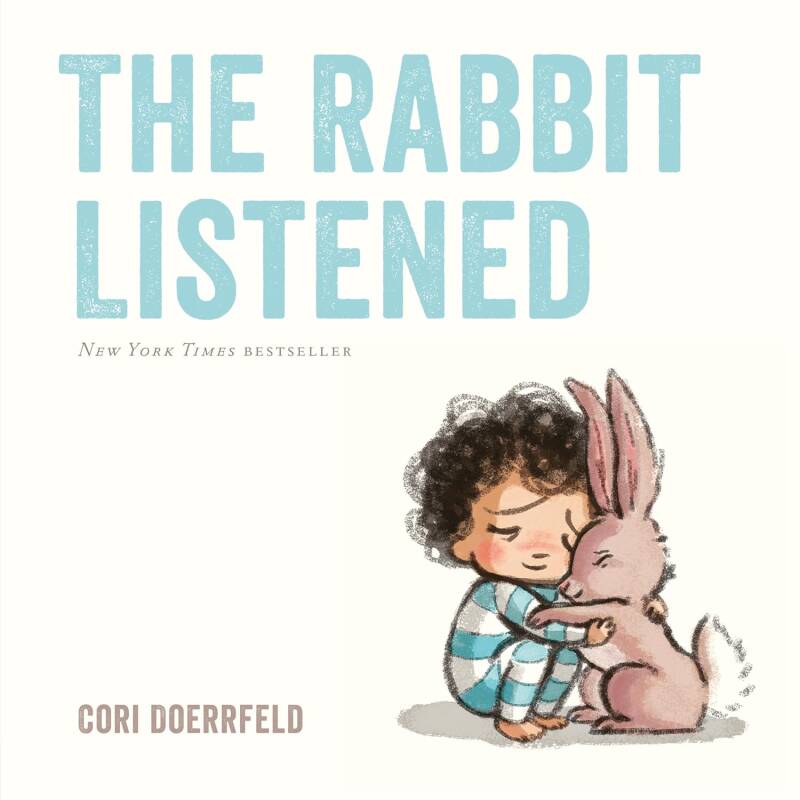
11. The Rabbit Listened by Cori Doerrfeld
Recommended Grades: PreK–3
Shop the Book:
📖 Paperback: https://amzn.to/4qiRvko
📚 Hardcover: https://amzn.to/4ga7s7Y
📱 Kindle: https://amzn.to/45vUEUq
When something upsetting happens to Taylor, several animals arrive with ideas about what Taylor should do. But Rabbit takes a different approach: Rabbit simply listens.
Why Teachers Love It
This story introduces another important side of kindness—sometimes helping someone doesn't mean solving their problem.
Sometimes the kindest thing we can do is listen.
It's an excellent book for morning meetings and SEL lessons because it helps children think about how they respond when a friend is sad, frustrated, disappointed, or overwhelmed.
Great for teaching: listening, empathy, emotions, friendship, and supporting others.
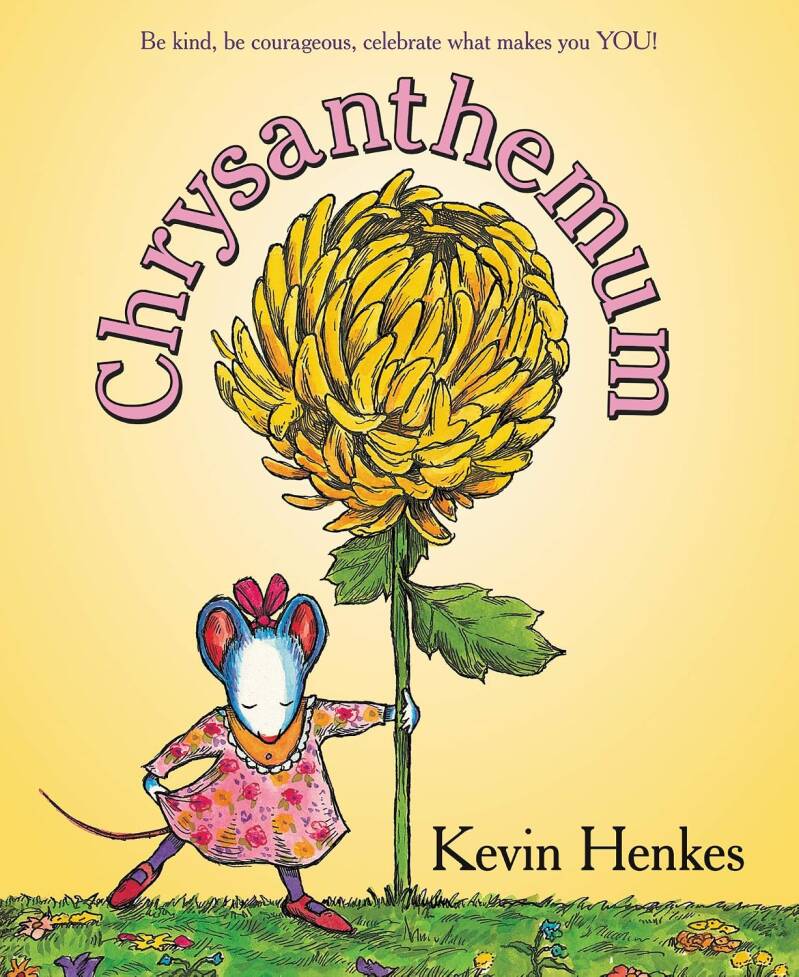
12. Chrysanthemum by Kevin Henkes
Recommended Grades: PreK–2
Shop the Book:
📖 Paperback: https://amzn.to/4xJCUkE
📚 Hardcover: https://amzn.to/4zjkZmh
📱 Kindle: https://amzn.to/4bNeDBw
Chrysanthemum loves her unique name—until she starts school and other students tease her about it.
This classroom favorite provides an age-appropriate way to talk about the impact our words can have on other people.
Why Teachers Love It
Many elementary students can relate to wanting to fit in or worrying about what classmates think.
Teachers can use Chrysanthemum's experience to help students consider how teasing makes others feel and why our differences should be celebrated rather than criticized.
It's an especially useful read aloud at the beginning of the school year when you're establishing expectations for how classmates should treat one another.
Great for teaching: kind words, teasing, acceptance, individuality, empathy, and classroom community.
Using Kindness Books in the Elementary Classroom
The best part about these books is that they don't have to be reserved for a specific kindness unit.
You can weave them into your classroom throughout the entire school year.
Try reading one during morning meeting, using a story to introduce an SEL lesson, adding kindness books to your classroom library, or pulling out a familiar read aloud when your class needs a reminder about how they treat one another.
After reading, ask simple questions like:
- What act of kindness did you notice?
- How did that action make another character feel?
- Was there a moment when someone could have made a kinder choice?
- What would you have done in that situation?
- How could we show this type of kindness in our classroom?
- What is one small act of kindness you could do today?
The goal isn't just for students to be able to define kindness. We want them to recognize opportunities to practice it in their everyday lives.
Creating a Kinder Classroom, One Story at a Time
Creating a kind classroom doesn't happen after one lesson or one read aloud. It's something we build through the conversations, routines, expectations, and examples we share with students every day.
Books make those conversations so much easier.
Whether you're helping students learn to include others, use kinder words, show empathy, stand up for a classmate, or simply notice when someone could use a friend, these stories provide meaningful examples students can understand and remember.
Pick one for your next read aloud, and you might be surprised by the conversations it inspires.
Looking for more elementary classroom book recommendations? Be sure to check out my other favorite read alouds and teaching resources for building a positive classroom community in my "Read Aloud Books" blog tab.
Add comment
Comments